10 Reasons Your Car Battery Isn’t Working (And How to Get a Fast Replacement in Suitland)

There is nothing quite like the sinking feeling of turning your key or pressing the start button and hearing… nothing. Or worse, that rapid-fire clicking sound that signals your car battery has officially checked out. Whether you’re trying to get to work in Suitland or heading out for a weekend trip, a dead battery is a major wrench in your plans.

At Silver Hill Auto Repair, we’ve seen it all. With over 100 years of combined experience, our family-owned auto repair shop knows that while a battery might seem like a simple black box, there’s a lot going on under the hood that can cause it to fail.

If you’re wondering why your car won’t start, or if you’re looking for an affordable mechanic to get you back on the road, you’re in the right place. Here are the top 10 reasons your car battery isn’t working and what you can do about it.


1. The Classic Human Error: Lights Left On

It happens to the best of us. You’re in a rush to get inside, and you accidentally leave the dome light on or forget to turn off the headlights. Even a small trunk light that stays on because the latch didn’t close properly can drain a battery overnight. Most modern cars have “battery saver” features, but older models or faulty sensors can still allow a slow drain that leaves you stranded in the morning.

2. Parasitic Drain (The Hidden Energy Thief)

Even when your car is off, your battery is still working. It powers things like your clock, the alarm system, and the radio presets. This is normal. However, a “parasitic drain” occurs when a component stays “awake” when it should be asleep. This could be a glove box light that doesn’t turn off or a faulty relay.

Glowing car dashboard at night showing potential parasitic drain on a vehicle battery.

If you suspect your car has a parasitic drain, it’s best to bring it in for diagnostics and inspections to find the circuit that’s causing the trouble.

3. A Faulty Alternator

Think of your battery as a storage tank and your alternator as the pump that keeps it full. While you drive, the alternator recharges the battery. If the alternator is failing, it won’t provide enough juice to keep the battery topped off. You might notice your headlights dimming at stoplights or your dashboard lights flickering. If the alternator dies completely, your car will eventually stall because the battery can’t handle the electrical load of the engine on its own.

4. Extreme Maryland Temperatures

Our weather in Suitland can be tough on vehicles. While most people think winter is the hardest time for batteries: because cold weather makes the oil thicker and the battery work harder: heat is actually the primary enemy.

Extreme summer heat accelerates the internal chemical reactions in a battery, leading to fluid evaporation and internal corrosion. This “cooks” the battery over time, leading to a sudden failure when the first cold snap hits. You can check out our summer car care tips and winter car care tips for more localized advice.

5. Corroded or Loose Battery Terminals

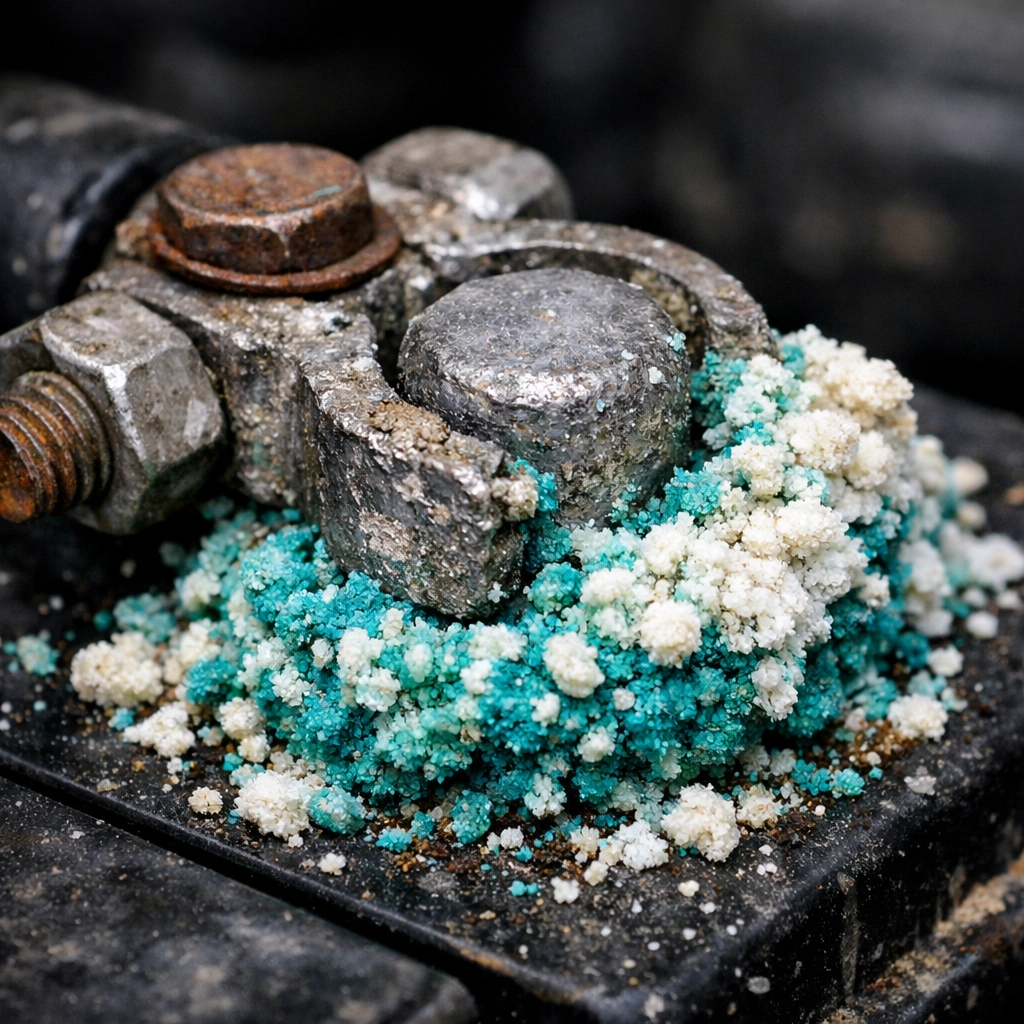
Take a look at your battery. Do you see any white, ashy, or blue-green crust around the metal terminals? That’s corrosion. This buildup acts as an insulator, preventing the electrical current from flowing freely from the battery to the rest of the car. Similarly, if the terminal clamps are loose, the connection will be “weak,” and your car may struggle to start even if the battery is fully charged.

Extreme corrosion on a car battery terminal preventing a proper electrical connection.

6. Frequent Short Trips

Your battery needs time to recharge. Every time you start your car, the battery uses a massive burst of energy. The alternator then needs several miles of driving to put that energy back. If you only drive short distances: like a two-minute trip to the grocery store: the battery never reaches a full state of charge.

Over time, this leads to acid stratification, where the electrolyte settles at the bottom of the battery. This reduces the battery’s performance and significantly shortens its lifespan.

7. Old Age (The Natural End)

Nothing lasts forever. On average, a car battery lasts between 3 to 5 years. As a battery ages, its ability to hold a charge diminishes. If your battery is reaching that four-year mark, it’s a good idea to have it tested before it leaves you stuck. Routine preventive maintenance is the best way to catch an aging battery before it fails.

8. Electrical Overuse and Aftermarket Gadgets

Today’s cars are rolling computers. We plug in dash cams, GPS units, and high-powered phone chargers. If you’ve added an aftermarket sound system or extra LED lighting without upgrading your charging system, you might be overtaxing the battery. Always ensure your vehicle’s electrical system can handle the load of any “extras” you add.

9. Charging System Issues (Beyond the Alternator)

Sometimes it’s not the alternator itself, but the components connecting it to the battery. A loose or worn serpentine belt can prevent the alternator from spinning at the correct speed. Corroded wiring or a blown fuse in the charging circuit can also mimic a dead battery. At Silver Hill Auto Repair, we perform a total system check to make sure we aren’t just replacing a battery when the real problem is a $10 fuse or a worn-out belt.

10. Internal Damage and Vibration

Batteries are heavy and contain delicate lead plates. If your battery isn’t secured properly with a hold-down bracket, it will vibrate and bounce around while you drive. This physical stress can cause internal short circuits or damage the plates, leading to sudden failure. Always make sure your battery is bolted down tight!


How to Prevent Your Battery from Dying

While some battery failures are inevitable, you can extend the life of yours with a few simple habits:

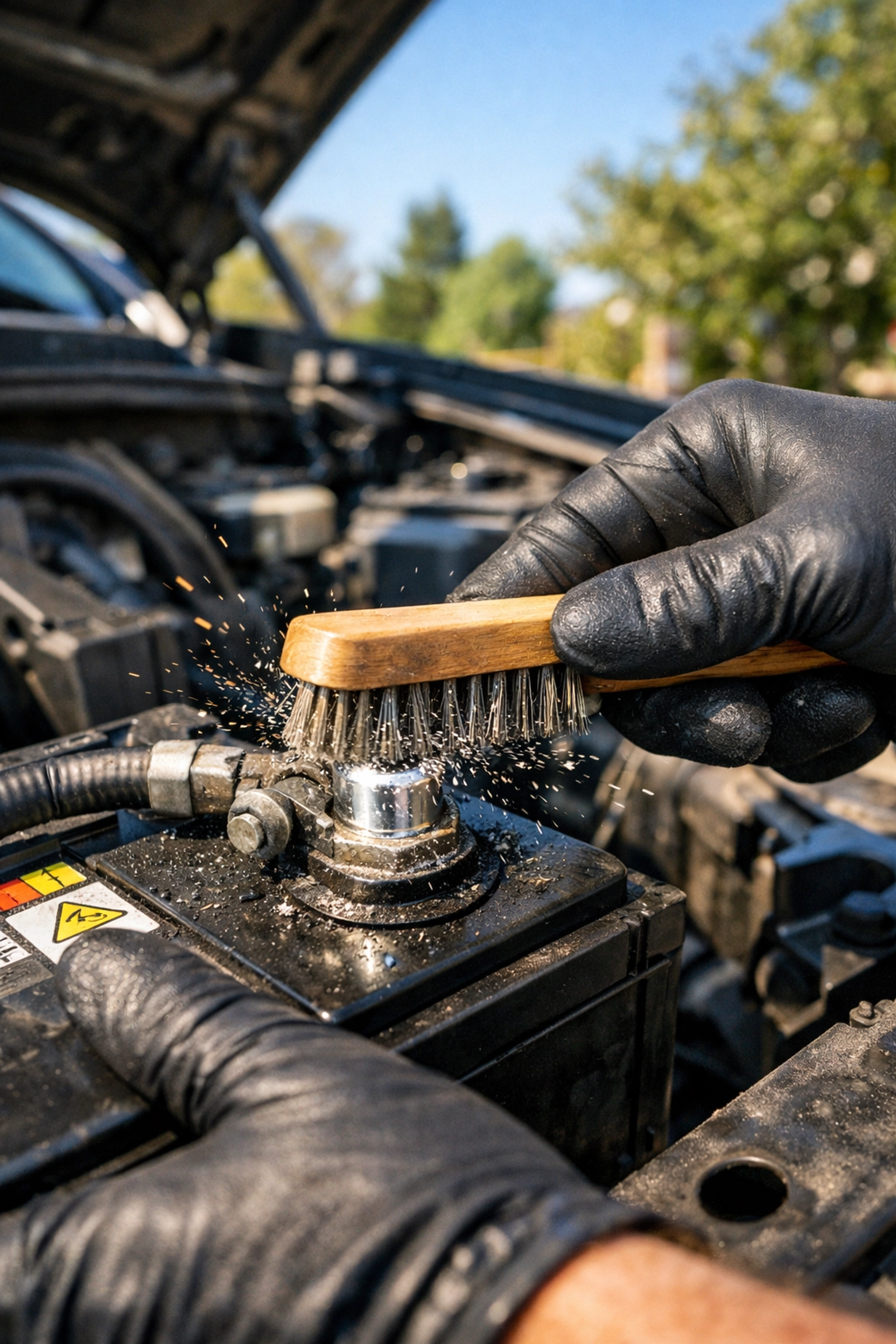
  • Keep it clean: Periodically wipe down the top of the battery and clean the terminals with a mixture of baking soda and water to prevent corrosion.
  • Drive longer distances: Try to take your car for a 20-minute highway drive at least once a week to ensure the battery gets a full charge.
  • Turn off accessories: Make sure all lights and chargers are off before you exit the vehicle.
  • Get regular tests: During your regular oil change, ask us to run a quick battery health test. It only takes a minute!

Mechanic cleaning battery terminals with a wire brush as part of routine car maintenance.


Need a Fast Car Battery Replacement in Suitland?

If you’ve gone through this list and realized your battery is toast, don’t stress. Getting a car battery replacement shouldn’t be a day-long ordeal.

At Silver Hill Auto Repair, we pride ourselves on providing fast, honest, and high-quality service to our Suitland community. Why choose us?

  • ASE-Certified Technicians: Our team knows the ins and outs of your vehicle’s electrical system.
  • 100+ Years of Experience: We’ve seen every battery issue imaginable since we first opened our doors.
  • Family-Owned Integrity: We treat your car like it’s our own. We won’t sell you a battery if you just need a terminal cleaning.
  • Trusted Parts: We carry top-tier batteries designed to withstand the Maryland climate.

Don’t wait until you’re stranded in a parking lot. If your car is cranking slowly or your battery light is on, come see us for a professional diagnostic check.

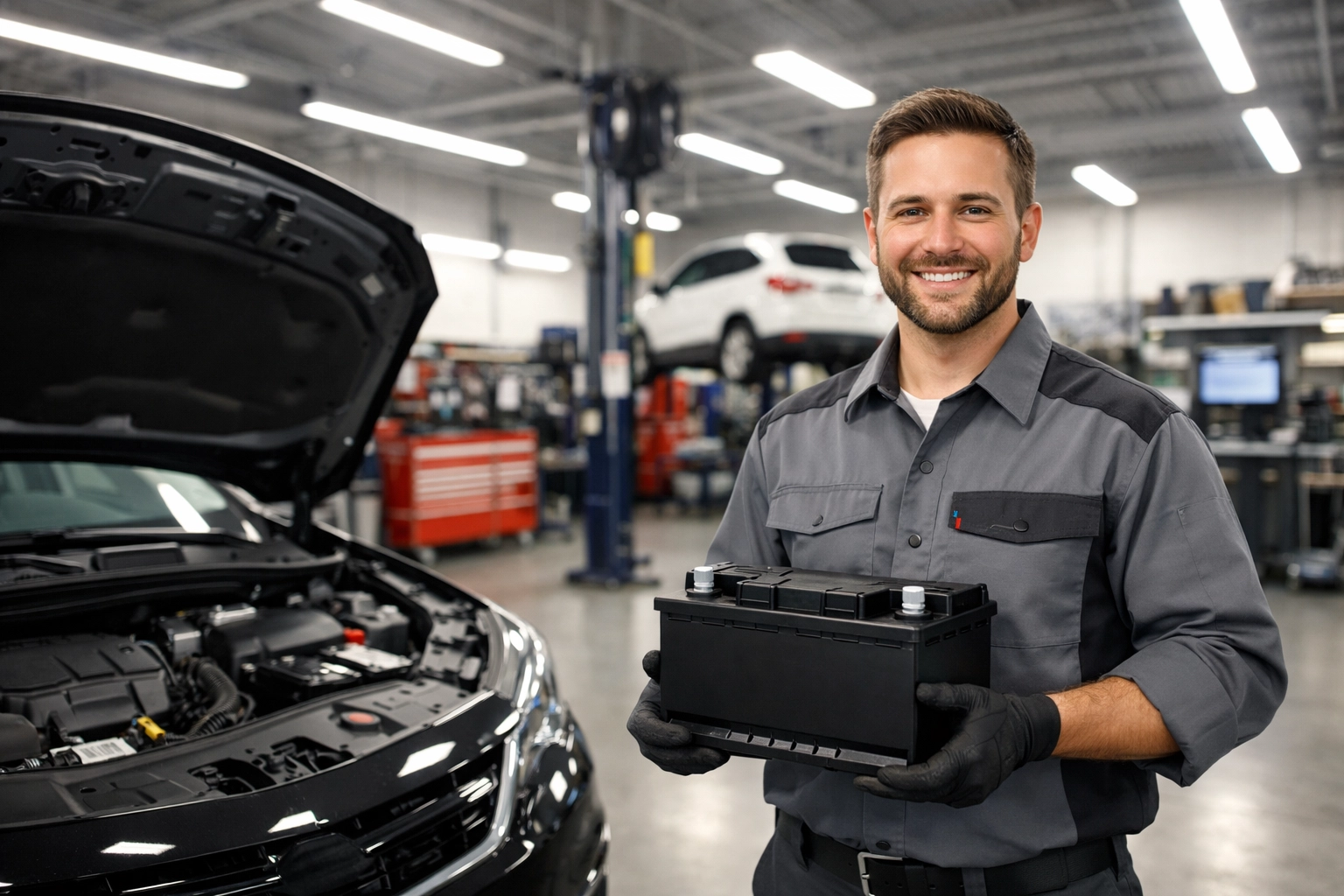
Expert mechanic providing fast car battery replacement at Silver Hill Auto Repair in Suitland.

Contact Us Today

Ready to get back on the road with confidence? Visit our About Us page to learn more about our team, or contact us to schedule an appointment. We’re located right here in Suitland, MD, ready to serve all your automotive needs.

Happy driving, and stay charged!

2026 car maintenance checklist for safer driving

2026 Car Maintenance Checklist: Smart Driver Tips for a Safer Year on the Road

In 2026, your vehicle is more advanced, more connected, and more essential than ever. From daily commutes in Suitland, MD, to road trips across the DMV area, your car plays a critical role in your routine. With modern vehicles featuring driver-assist systems, complex electronics, and improved fuel efficiency technologies, keeping up with maintenance is not just recommended. It is necessary.

This comprehensive 2026 car maintenance checklist will help you stay proactive, avoid unexpected breakdowns, and keep your vehicle performing at its best all year long.

Why Regular Car Maintenance Matters More Than Ever in 2026

Vehicles today are built with sophisticated onboard computers, sensors, and integrated safety features. While these advancements improve comfort and safety, they also make routine maintenance even more important.

Skipping maintenance can lead to:

  • Reduced fuel efficiency
  • Decreased performance
  • Warning lights and system malfunctions
  • Increased safety risks

Imagine heading to work on a busy morning only to see a dashboard warning light flash on, or worse, your vehicle refusing to start. Many of these situations are preventable with consistent care and attention.

Preventative maintenance helps extend your vehicle’s lifespan, maintain resale value, and ensure you and your passengers stay safe on the road.


Engine and Oil Maintenance

Your engine remains the heart of your vehicle. In 2026 models, engines are often paired with turbochargers, start-stop systems, and advanced fuel injection technology. Clean, high-quality oil is essential to keep everything running smoothly.

Oil Changes

Follow your manufacturer’s recommended oil change intervals. Many modern vehicles monitor oil life electronically and will notify you when service is due. Even with advanced systems, it is wise to remain attentive to mileage and driving conditions.

Failing to change oil regularly can lead to:

  • Engine sludge buildup
  • Overheating
  • Reduced fuel efficiency
  • Premature wear

Check your oil level periodically and look for signs of leaks under your vehicle. If you notice dark, gritty oil or low levels, schedule service promptly.

Engine Inspections

Listen for unusual noises such as knocking, ticking, or rattling. Watch for warning lights on the dashboard. If something feels off, do not ignore it. Modern vehicles are excellent at alerting drivers when something needs attention.

Routine inspections can identify minor issues before they escalate into major problems.


Coolant and Essential Fluid Checks

Fluids are the lifeblood of your vehicle. In 2026, cooling systems are designed for efficiency, but they still require regular monitoring.

Coolant

Coolant protects your engine from overheating in summer and freezing in winter. Check the coolant reservoir monthly and before long trips. If levels drop frequently, there may be a leak that needs professional attention.

Overheating can cause serious engine damage, so never ignore rising temperature gauges or warning lights.

Brake Fluid

Brake fluid enables hydraulic pressure within your braking system. Low fluid levels may indicate worn brake components or leaks. If your brake pedal feels soft or spongy, have it inspected immediately.

Transmission Fluid

Transmission systems, especially in vehicles with continuously variable transmissions or dual-clutch systems, rely on clean fluid for smooth operation. If you experience delayed shifting or unusual vibrations, have your transmission checked.

Power Steering and Washer Fluid

Power steering fluid ensures easy maneuverability, while windshield washer fluid maintains visibility during bad weather. Keep both topped off and inspect for leaks regularly.


Tire Care and Road Safety

Your tires are your vehicle’s only connection to the road. Proper maintenance improves safety, fuel efficiency, and handling.

Tire Pressure

Check tire pressure monthly using a reliable gauge. Incorrect pressure can cause uneven wear, reduced traction, and poor fuel economy. Refer to the sticker inside your driver’s door for recommended PSI levels.

Temperature changes throughout the year can affect pressure, so stay especially vigilant during seasonal transitions.

Tread Depth

Inspect tread depth to ensure proper grip, especially during rain or snow. A quick test involves placing a coin into the tread grooves. If tread appears shallow or uneven, replacement may be necessary.

Worn tires increase stopping distances and reduce control in emergency situations.

Tire Rotation

Rotate your tires at regular intervals to promote even wear. This helps extend tire life and maintain balanced handling.

Wheel Alignment

If your vehicle pulls to one side or the steering wheel feels off-center, your wheels may be misaligned. Alignment ensures stable handling and prevents uneven tire wear.

Avoid potholes and curb impacts whenever possible, as these can disrupt alignment.


Brake System Inspection

Your brakes are your most important safety system.

Brake Pads and Rotors

Listen for squealing or grinding sounds when braking. Vibrations in the steering wheel or brake pedal may indicate warped rotors. Reduced stopping power or longer stopping distances are serious warning signs.

Have your braking system inspected routinely, especially if you drive in heavy traffic or hilly terrain.

Brake Performance

Practice smooth, gradual braking rather than abrupt stops. This reduces wear and improves overall control.

Never ignore brake warning lights or unusual noises. Immediate attention can prevent further damage and ensure safe driving.


Battery and Electrical System

Modern vehicles rely heavily on electrical systems, including infotainment screens, sensors, cameras, and driver-assist features.

Battery Health

Inspect battery terminals for corrosion and ensure connections are secure. If your engine cranks slowly or interior electronics flicker, your battery may need attention.

Extreme temperatures can affect battery performance, so seasonal checks are especially important.

Lighting Systems

Check headlights, brake lights, turn signals, and interior lights regularly. Visibility is crucial for nighttime driving and poor weather conditions.

If your vehicle has advanced lighting systems such as LED or adaptive headlights, ensure they are functioning correctly and properly aimed.

Advanced Driver Assistance Systems

Many 2026 vehicles feature lane-keeping assist, adaptive cruise control, blind-spot monitoring, and collision avoidance systems. These systems rely on sensors and cameras that may require periodic calibration.

If you notice warning messages related to safety systems, have them professionally inspected.


Seasonal Maintenance in Suitland, MD

The DMV area experiences varied weather conditions throughout the year. Adjusting your maintenance routine seasonally keeps your vehicle prepared.

Winter Preparation

Before colder weather arrives:

  • Check antifreeze levels
  • Inspect heater and defroster operation
  • Test your battery
  • Ensure wipers are in good condition
  • Keep an emergency kit in your vehicle

Winter driving requires reliable traction and visibility.

Summer Preparation

High temperatures can strain cooling systems and batteries. Before summer:

  • Inspect the air conditioning system
  • Monitor coolant levels
  • Check tire pressure more frequently
  • Examine belts and hoses for cracks

A properly maintained cooling system prevents overheating during long drives and traffic delays.


Interior and Exterior Care

Maintenance is not limited to mechanical components.

Windshield Wipers

Replace worn wiper blades to maintain clear visibility during rain or snow.

Cabin Air Filter

A clean cabin air filter improves air quality and ensures your climate control system functions efficiently.

Exterior Protection

Regular washing and waxing protect your vehicle’s paint from environmental contaminants, road salt, and sun exposure.


The Importance of Professional Inspections

While many maintenance tasks can be monitored at home, professional inspections remain essential.

Manufacturer-Recommended Service

Follow your vehicle’s maintenance schedule. These service intervals are designed specifically for your vehicle’s make and model.

Routine professional inspections may include:

  • Brake system evaluation
  • Suspension checks
  • Diagnostic scanning
  • Fluid condition testing
  • Belt and hose inspections

These comprehensive evaluations help identify hidden issues early.

Diagnostic Services

If a warning light appears or your vehicle behaves unusually, diagnostic testing can pinpoint the cause. Modern vehicles store error codes that trained technicians can interpret accurately.

Ignoring warning lights can lead to more serious complications. Address concerns promptly to maintain reliability and safety.


Stay Proactive in 2026

Your vehicle is one of your most important daily tools. Consistent maintenance ensures it remains dependable, efficient, and safe for you and your family.

By checking fluids, monitoring tire condition, maintaining your braking system, and scheduling regular professional inspections, you can confidently navigate every season in Suitland and the surrounding DMV area.

If your vehicle is due for service or you want a professional inspection for peace of mind, contact Silver Hill Auto Repair in Suitland, MD. Our experienced team is ready to help you stay ahead in 2026 with reliable maintenance and expert care tailored to your vehicle’s needs.

Auto Repair Shop: Your Ultimate Guide to Keeping Your Car in Top Shape

Maintaining your vehicle is essential for ensuring its longevity and optimal performance. Car owners in the DMV area who understand the fundamentals of auto repair can save both time and money. This guide covers key aspects of vehicle maintenance, from routine care and seasonal tips to selecting the right auto repair shop.

The Importance of Regular Maintenance

Regular maintenance is critical for keeping your car in top condition. Consistent care not only improves performance but also prevents costly repairs. Following a structured maintenance plan ensures that minor issues are identified and resolved before they escalate into major problems.

Scheduled Services

Vehicle manufacturers provide recommended maintenance schedules, which typically include oil changes, tire rotations, and brake inspections. Adhering to these schedules keeps your vehicle operating efficiently. For example, oil changes every 3,000 to 5,000 miles maintain proper engine lubrication and prevent overheating, reducing the risk of repairs that can range from $1,000 to $4,000 depending on the damage. Routine tire rotations and brake inspections help extend component life and avoid premature replacements.

Benefits of Routine Check-Ups

Routine inspections extend vehicle lifespan, improve fuel efficiency, enhance safety, and protect resale value. Regular visits to an experienced auto repair shop, such as Silver Hill Auto Repair, allow technicians to detect potential issues early. For instance, tire rotations and brake adjustments can prevent premature wear, saving significant replacement costs. Well-maintained vehicles consume less fuel and experience fewer breakdowns, translating to long-term financial savings.

Choosing the Right Auto Repair Shop

Selecting a reliable auto repair shop is essential for dependable service and peace of mind. The right shop ensures that your vehicle receives proper care from trained professionals.

Credentials and Certifications

Look for repair shops with certified technicians. ASE (Automotive Service Excellence) certifications demonstrate expertise and training. Certified mechanics provide professional service and guarantee that repairs are performed correctly and safely, giving car owners confidence in the quality of work.

Reputation and Reviews

Reputation is a key factor when choosing an auto repair shop. Check online reviews and ask for recommendations from friends or family. A shop with a strong reputation is more likely to provide consistent, high-quality service and stand behind its work. Selecting a reputable shop can reduce the risk of repeat visits for the same issue and save money in the long term.

Understanding Common Auto Repairs

Familiarity with common vehicle repairs enables car owners to identify problems early and communicate effectively with their mechanic. Recognizing symptoms ensures timely intervention and prevents costly damage.

Brake Repairs

Brakes are a critical safety component. Squealing or grinding noises indicate the need for inspection and maintenance. Regular brake service prevents failure and ensures reliable stopping power. Brake repairs can range from $100 for pad replacements to over $500 for more extensive work, depending on the severity.

Engine Troubles

The engine is central to vehicle operation. Warning lights, unusual noises, or decreased performance may indicate engine issues. Early detection of minor problems can prevent expensive repairs, including engine replacement, which can exceed $4,000. Routine engine inspections and timely servicing maintain efficiency and reliability.

Seasonal Auto Care Tips

Different seasons present unique challenges for vehicles. Seasonal preparation protects performance and prevents damage.

Winter Preparations

Cold weather can affect battery performance, antifreeze levels, and traction. Ensure the battery is fully charged, maintain proper antifreeze levels, and consider winter tires for enhanced safety. Battery replacements typically range from $100 to $200, preventing breakdowns in harsh conditions.

Summer Maintenance

High temperatures can strain the cooling system, air conditioning, and tires. Inspect the cooling system, check air conditioning functionality, and maintain proper tire pressure to prevent overheating. Repairing cooling system failures can cost upwards of $1,000, making preventative maintenance essential.

DIY vs. Professional Repairs

Understanding which repairs can be handled at home and which require professional intervention is crucial for vehicle care and cost management.

Simple DIY Repairs

Minor tasks such as replacing air filters or windshield wipers can be completed at home with minimal tools. These routine tasks improve engine performance and interior comfort while reducing trips to the repair shop. Air filters typically cost between $10 and $20, providing an affordable boost to vehicle efficiency.

When to Call Professionals

Complex repairs, including transmission work or electrical issues, should be handled by experienced technicians. Silver Hill Auto Repair offers skilled professionals capable of addressing intricate repairs safely and efficiently. Transmission repairs can range from $1,000 to $5,000, highlighting the importance of professional service for major issues.

Preserving Vehicle Value

Maintaining your car ensures functionality and preserves resale value over time. Proper care increases the likelihood of higher resale prices and reduces long-term expenses.

Regular Cleaning

Keeping the interior and exterior clean prevents corrosion, rust, and material degradation. Regular cleaning and detailing maintain the car’s appearance and can prevent costly bodywork or interior repairs.

Documentation and Records

Maintain detailed records of all maintenance and repairs. Documentation demonstrates consistent care to prospective buyers and can increase resale value. Detailed service records offer transparency and reassurance regarding the vehicle’s condition.

Vehicle maintenance is essential for performance, safety, and long-term value. Routine inspections, adherence to manufacturer-recommended schedules, seasonal preparations, and selecting a reputable auto repair shop are all critical components of effective car care.

For DMV residents, Silver Hill Auto Repair provides reliable service for all automotive needs. Our certified technicians handle everything from routine maintenance to complex repairs, ensuring your vehicle remains in optimal condition. Prioritizing maintenance today protects your investment and keeps your car performing reliably for years.

DIY Car Maintenance

DIY Car Maintenance Tips for Beginners in 2024

If you’ve ever stared at your car and wondered, “How do I keep this thing running without draining my wallet every few months?”, you’re not alone. The good news is, you don’t have to be a master mechanic to keep your vehicle in good shape. With just a little time, a few tools, and some patience, you can tackle some simple DIY car maintenance tasks yourself — and save money while feeling more confident on the road.

At Silver Hill Auto Repair, we know how intimidating it can feel to pop the hood for the first time. But trust us — taking care of your car doesn’t have to be rocket science. This beginner car care guide will walk you through easy, practical tips that every driver should know in 2024.

Why DIY Car Maintenance Matters in 2024

Cars today are smarter than ever — packed with sensors, computers, and fancy features. But despite all that tech, the basics haven’t changed much. Oil still needs changing, tires still wear down, and fluids still get dirty. Staying on top of the simple stuff means you’ll avoid bigger, more expensive problems later.

DIY car maintenance in 2024 isn’t about replacing your mechanic — it’s about becoming an informed car owner who knows when to roll up your sleeves and when to call the pros. Plus, there’s real satisfaction in knowing you’re taking care of one of your biggest investments.

Get to Know Your Owner’s Manual

Before you even grab a wrench, spend some time with your car’s owner’s manual. Think of it as your car’s personal guidebook. It tells you what type of oil to use, how often to change it, the right tire pressure, when to swap out your filters, and so much more.

Most manuals include a maintenance schedule that breaks down what should be checked and when. Stick to this schedule as closely as possible — it’s your roadmap for reliable, long-lasting performance.

Check and Top Off Your Fluids

One of the simplest DIY car maintenance tasks for beginners is checking and topping off fluids. There are a few basics to get familiar with:

Engine Oil: Make a habit of checking your oil once a month. Pull the dipstick, wipe it clean, insert it again, and check the level and color. If it’s low or looks dirty, top it off or change it.

Coolant: Your engine’s cooling system keeps things from overheating. Look for the coolant reservoir under the hood (it’s usually translucent with minimum and maximum lines). If the level is low, top it off with the correct coolant mix.

Brake Fluid: Low brake fluid can affect stopping power. Locate the reservoir (usually near the back of the engine bay). If the level is under the minimum line, add more — but if it keeps dropping, that’s a sign to visit your trusted mechanic.

Windshield Washer Fluid: A clear windshield is a safe windshield. Keep this topped off so you’re never caught off guard by bug splatters or road grime.

Keep an Eye on Your Tires

Your tires are literally where the rubber meets the road. Good tires mean better gas mileage, safer handling, and longer life for your suspension.

Check Tire Pressure: Use a simple tire gauge to check pressure at least once a month and before long trips. Proper pressure (found in your owner’s manual or the sticker inside your door) helps prevent blowouts and uneven wear.

Inspect Tread Depth: Grab a penny and stick it into the tread with Lincoln’s head upside down. If you can see the top of his head, it’s time for new tires. Bald tires are dangerous, especially in rain or snow.

Rotate Tires: Rotating your tires every 5,000 to 7,500 miles helps them wear evenly. This simple step extends their lifespan and keeps your ride smooth.

Change Your Wiper Blades

Wiper blades are often overlooked until you’re stuck driving through a downpour with streaks and squeaks ruining your visibility. The good news? Swapping out blades is one of the easiest beginner car care jobs.

Most blades pop off with a simple clip mechanism — just check your manual for the right size, pick up replacements at an auto parts store, and snap them on. Aim to replace them at least once a year, or sooner if they’re leaving streaks.

Replace Your Air Filter

Your engine needs clean air to run efficiently. A clogged air filter can hurt performance and fuel economy. For most vehicles, this is a 5-minute job: pop the hood, open the air filter box, swap in a new filter, and close it up.

Most manufacturers recommend replacing the air filter every 12,000 to 15,000 miles, but dusty driving conditions can mean you’ll need to do it more often.

Keep Your Battery in Good Shape

Few things are more frustrating than a dead battery when you’re already late for work. Here’s how to keep yours healthy:

  • Inspect for Corrosion: White or bluish buildup around the terminals can prevent good contact. Use a wire brush and a mix of baking soda and water to clean it off.
  • Check the Charge: Many auto parts stores will test your battery for free. If it’s more than three years old, have it checked yearly to avoid surprises.
  • Tighten Connections: Make sure the battery cables are snug. Loose connections can lead to random electrical gremlins.

Pay Attention to Strange Noises

Your ears are an important DIY car maintenance tool. Squeaks, squeals, clunks, or grinding noises are all your car’s way of asking for help. Don’t ignore them. If you hear something odd, investigate. Sometimes it’s simple, like low-power steering fluid. Other times, it’s best to let a pro check it out.

Know When to Call the Pros

As much as we believe in empowering you to handle beginner car care, there are times when DIY shouldn’t be the answer. Complicated systems like brakes, steering, suspension, or engine repairs require experience, tools, and safety know-how.

If you notice anything major — a check engine light that won’t go away, trouble starting, overheating, or sudden drops in fluid levels — it’s time to call the experts. At Silver Hill Auto Repair in Suitland, MD, our ASE-certified technicians have seen it all and fixed it all. From detailed diagnostics to safety inspections authorized by the state of Maryland, we’ve got you covered.

Keep a DIY Car Maintenance Kit

Ready to start? A basic kit will help you handle most simple jobs. Here’s what we suggest:

DIY Car Maintenance

  • Tire pressure gauge
  • Jack and lug wrench
  • Jumper cables
  • Work gloves
  • Funnel for fluids
  • Rags or shop towels
  • Basic socket set and screwdrivers
  • Flashlight or work light

Keep it all organized in a sturdy tote, and you’ll be ready whenever maintenance needs pop up.

Stay Ahead with Regular Checkups

DIY car maintenance in 2024 is all about staying ahead. A little time each month checking fluids, inspecting tires, and listening to your vehicle will keep small problems from turning into big headaches.

But remember — your trusted mechanic is your partner, not your competition. Routine visits for inspections, alignments, and services you can’t handle at home keep your vehicle safe and reliable. At Silver Hill Auto Repair, we treat every car like our own and every customer like family. With over 100 years of combined experience, we make sure you’re never left stranded.

You don’t have to know everything about cars to keep yours in great shape — just start small, stay curious, and don’t be afraid to get your hands a little dirty. And when you need a hand with the bigger stuff, you know where to find us.

Ready to keep your car running strong? Call Silver Hill Auto Repair in Suitland today to schedule your next inspection, maintenance service, or repair. Let’s keep you on the road safely and confidently — because your car deserves the best, and so do you.

Top-quality tires at a shop

Choosing the Right Tire for Your Driving Conditions

Whether you’re navigating icy winter roads, zipping down sunny highways, or dodging potholes in the DMV area, your tires are your vehicle’s only contact with the ground. The importance of tire selection based on your driving conditions can’t be overstated. Choosing the right tires isn’t just about getting from point A to point B—it’s about doing so safely, efficiently, and with confidence.

At Silver Hill Auto Repair, we’ve spent years helping drivers like you make smarter choices for their vehicles. Let’s break down what goes into choosing the right tire for your unique driving environment.

Why Tire Selection Matters More Than You Think

Tires do more than just roll. They grip, brake, absorb shocks, channel water away, and support the entire weight of your vehicle. The wrong tire can lead to poor fuel economy, longer braking distances, rougher rides, and even safety risks. The right tire? That’s peace of mind every time you hit the road.

Tires are designed with specific conditions in mind—some are optimized for snow and ice, others for rain, and some for dry pavement. So, if your tires don’t match your daily driving reality, you’re not getting the performance, safety, or longevity your vehicle was built for.

Understand Your Driving Conditions

Before diving into types of tires, take a moment to consider your local climate and typical road conditions.

In the DMV (DC, Maryland, Virginia) area, drivers face a bit of everything: cold winters with snow and ice, spring rains, hot summers, and plenty of pothole-ridden roads in between. That makes choosing the right tires both a seasonal decision and a question of durability.

Ask yourself:

  • Do you often drive in snow or on icy roads?
  • Are you primarily driving on highways or city streets?
  • Do you face a lot of rain, or occasional off-road conditions?
  • Do you commute daily or just drive on weekends?

Now that you have a clearer picture, let’s look at the tire options.

All-Season Tires: The Everyday Heroes

All-season tires are the most common choice for many drivers. They’re built to handle a wide range of road conditions—dry, wet, and light winter driving—making them a go-to for drivers who don’t want to swap tires with the seasons.

Pros:

  • Versatility across multiple conditions
  • Quiet and comfortable ride
  • Long tread life

Cons:

  • Not ideal for severe winter conditions
  • May lack performance grip compared to season-specific tires

If you’re a typical DMV commuter dealing with occasional snow but mostly moderate weather, all-season tires might be just what you need. But if winter gets rough, they might not cut it.

Winter Tires: Serious Grip for Serious Weather

When snow, ice, and freezing temperatures are a regular part of your winter routine, winter tires are your best bet. They’re made with special rubber compounds that stay flexible in cold temperatures and feature tread patterns designed to bite into snow and ice.

Pros:

  • Superior traction in snow and ice
  • Improved braking and handling in cold conditions

Cons:

  • Should only be used during winter months
  • Can wear quickly in warmer weather

Even though winters in the DMV aren’t the harshest in the country, they can still bring treacherous conditions. If you regularly drive during snowstorms or on icy roads, switching to winter tires can significantly boost your safety.

Mechanic conducting tire repair

Summer Tires: For High-Performance and Hot Weather

Summer tires are engineered for performance. With a focus on grip, handling, and stopping power, they shine in warm weather—especially on dry or wet roads.

Pros:

  • Excellent handling and cornering
  • Enhanced braking performance

Cons:

  • Not suitable for cold weather or snow
  • Tread wears faster than other options

These tires are ideal if you’re driving a performance car or if you’re someone who enjoys a spirited drive in the warmer months. Just make sure to switch them out before the first frost hits.

All-Terrain and Off-Road Tires: Built for the Path Less Traveled

If your driving regularly includes gravel roads, unpaved trails, or even construction sites, all-terrain or off-road tires might be what you need. These tires are tougher, with reinforced sidewalls and aggressive tread patterns to handle rough surfaces.

Pros:

  • Durable and resistant to punctures
  • Excellent traction off-road

Cons:

  • Noisier on highways
  • Lower fuel efficiency due to added rolling resistance

While not ideal for city-only drivers, these are a great fit for work vehicles, weekend adventurers, or those who split their time between the pavement and the trail.

What About Tire Ratings and Labels?

When shopping for tires, you’ll see various ratings, like speed ratings, treadwear scores, traction grades, and temperature resistance. Here’s what they mean:

  • Treadwear tells you how long the tire should last compared to a reference tire.
  • Traction grades measure how well the tire stops on wet pavement.
  • Temperature grades reflect the tire’s ability to dissipate heat.
  • Speed Rating shows the maximum speed a tire can safely handle.

At Silver Hill Auto Repair, our ASE-certified technicians can walk you through these details to make sure you’re choosing a tire that matches both your vehicle and driving habits.

Fuel Economy and Tire Choice

Yes, your tires impact your MPG. Low rolling resistance tires are designed to reduce friction with the road, helping your car burn less fuel. While they might not be the best for performance or extreme conditions, they can be a smart choice for daily commuters looking to save at the pump.

Tip: Always keep your tires properly inflated, no matter the type. Underinflated tires increase fuel consumption, reduce handling performance, and wear out faster.

How Often Should You Replace Your Tires?

Most tires last between 40,000 and 70,000 miles depending on the brand, type, and your driving habits. But mileage isn’t the only factor. Age, visible cracks, uneven tread wear, or repeated low pressure issues are all signs it might be time for a new set.

Use the penny test to check your tread depth: insert a penny head-first into the tread grooves. If you can see the top of Lincoln’s head, it’s time to replace the tire.

And don’t forget—tires degrade over time, even if the tread looks okay. If your tires are older than six years, consider getting them inspected.

Let Silver Hill Auto Repair Help You Make the Right Call

There’s no one-size-fits-all answer when it comes to tire selection. Your choice should reflect your driving conditions, lifestyle, and the kind of performance you want out of your vehicle. And when in doubt, you don’t have to figure it out alone.

At Silver Hill Auto Repair, we treat every customer like family. With over 100 years of combined experience, our team knows tires inside and out. Whether you’re gearing up for winter, tackling pothole-heavy streets, or just looking for a quieter, smoother ride, we’re here to help you choose the right tires with confidence.

Need help picking the right tires for your vehicle? Come talk to Preston, Deniece, and the team at Silver Hill Auto Repair. We’ll take the time to understand your needs and recommend the best solution—no pressure, no gimmicks, just honest advice and exceptional service. Schedule your appointment today and drive with confidence, no matter what the road throws your way.

Seasonal Changes Affect

The Impact of Seasonal Changes on Your Car

Every season has its charm—spring’s blossoms, summer’s sunshine, fall’s colors, and winter’s wonder. But while we enjoy the changing weather, our vehicles experience each season in a very different way. Just like we adjust our wardrobes, diets, and routines with the seasons, our cars need special attention too.

At Silver Hill Auto Repair, we’ve seen it all—overheating engines in the summer, dead batteries in the winter, and everything in between. In this guide, we’ll break down how each season affects your vehicle and what you can do to stay ahead of problems before they leave you stranded.

Seasonal Changes Affect

Winter Woes: How Cold Weather Impacts Your Car

  1. Cold temperatures can be brutal on both humans and machines. For your vehicle, winter often means a harder time starting, reduced fuel efficiency, and increased wear and tear.
  2. Battery Trouble
    Batteries don’t like the cold. When temperatures drop, the chemical reactions inside your battery slow down, making it harder to start your engine. A weak battery that’s fine in the fall can easily die overnight during a winter cold snap.
  3. Tire Pressure Drops
    For every 10-degree drop in temperature, your tire pressure can decrease by 1-2 PSI. That might not sound like much, but underinflated tires lead to poor handling and reduced gas mileage.
  4. Thicker Fluids
    Your motor oil, transmission fluid, and even windshield washer fluid can thicken in the cold. This makes your engine work harder and increases wear during startup.
  5. Salt & Corrosion
     Winter road salt helps with traction, but it’s a nightmare for your car’s undercarriage and body panels. If not washed off regularly, it can lead to rust damage over time.

Winter Tip from Silver Hill Auto Repair:
 Have your battery tested before winter hits, and switch to winter-grade oil if recommended by your vehicle manufacturer. Don’t forget to wash your car—especially the undercarriage—to keep salt corrosion at bay.

Spring Showers and Pothole Power

Spring may feel like a breath of fresh air, but it’s also a season of surprises for your car.

  1. Pothole Season
    Winter’s freeze-thaw cycles leave behind potholes—those suspension-shattering landmines. Hitting one can damage your tires, wheels, alignment, and suspension components.
  2. Allergens and Air Filters
    Springtime pollen and blooming trees can clog up your cabin air filter, affecting your vehicle’s HVAC system and reducing air quality inside the cabin.
  3. Rain, Rain, and More Rain
    Wet roads increase braking distances and reduce tire grip. If your wiper blades or tires are worn out, driving in spring showers can quickly become dangerous.

Spring Tip from Silver Hill Auto Repair:
 After the last frost, come in for a suspension and alignment check. We’ll inspect your tires, shocks, and struts to make sure potholes didn’t leave hidden damage.

Summer Heat: Your Engine’s Biggest Test

We all love a summer road trip, but intense heat can really turn up the pressure under your hood.

  1. Overheating Engines
    Extreme temperatures stress your vehicle’s cooling system. If your radiator, water pump, or coolant levels are off, your engine can quickly overheat—especially in stop-and-go traffic.
  2. Tire Blowouts
    Hot pavement increases tire pressure and weakens the rubber, raising the risk of blowouts, especially if your tires are old or improperly inflated.
  3. Air Conditioning Strain
    Nobody wants to ride in a hot car. But blasting your A/C all summer puts a lot of strain on your compressor and refrigerant system, and a failing A/C can make summer unbearable.

Summer Tip from Silver Hill Auto Repair:
 Before your summer getaway, stop by for a cooling system flush and an A/C performance check. We’ll help keep your ride chill even when it’s blazing outside.

Seasonal Changes Affect

Fall: The Perfect Time for Preventive Maintenance

Fall is nature’s gentle reminder that winter is coming. It’s a season for cozy sweaters—and getting your vehicle ready for the cold months ahead.

  1. Battery & Charging System Check
    This is your last chance to test your battery before cold weather hits. If it’s on its last legs, replacing it now can save you a winter breakdown.
  2. Lights and Visibility
    With the days getting shorter, you’ll be driving more in the dark. Check your headlights, brake lights, and wipers for optimal visibility.
  3. Tire Tread Inspection
    Wet leaves on the road are just as slippery as ice. Your tires need solid tread depth and proper inflation to maintain grip during rainy autumn drives.

Fall Tip from Silver Hill Auto Repair:
 Use fall as your checkpoint. Come in for a comprehensive inspection so we can prep your car before winter’s chill sets in.

How Seasonal Maintenance Saves You Money

It’s easy to put off vehicle maintenance, especially when everything seems to be working fine. But neglecting seasonal changes can lead to:

  • Unexpected breakdowns
  • Expensive repairs
  • Reduced fuel efficiency
  • Unsafe driving conditions

Just like you wouldn’t wear flip-flops in a snowstorm, your car needs the right “gear” for each season. Seasonal maintenance is like giving your vehicle a check-up—it helps catch small problems before they become costly headaches.

Trust the Team That Treats You Like Family

At Silver Hill Auto Repair, we understand how much you rely on your vehicle. Whether you’re commuting to work, dropping the kids off at school, or heading out for a weekend getaway, your car is a big part of your life.

Led by Preston and Deniece, our family-owned shop in Suitland, MD is built on trust, honesty, and excellence. With over 100 years of combined experience and a team of ASE-certified technicians, we’re here to help you stay road-ready through every season.

When you bring your vehicle to Silver Hill Auto Repair, you’re not just getting a mechanic—you’re joining a community that cares. Whether it’s a simple oil change or a major repair, we’ll walk you through every step, explain your options, and never pressure you into unnecessary work.

Seasonal Changes Affect

Schedule Your Seasonal Inspection Today

Don’t let the weather take a toll on your ride. Whether it’s freezing outside or heating up fast, make sure your vehicle is ready for whatever comes next. Call or stop by Silver Hill Auto Repair in Suitland, MD, and let our trusted team give your car the world-class care it deserves.

Call now or book your appointment online!

engine bay of a highly modified vehicle

Routine vs. Preventive Car Maintenance: Striking the Right Balance

When it comes to taking care of your car, there are two important things to think about: routine maintenance and preventive maintenance. They might sound similar, but they each play a unique role in keeping your ride smooth and safe.

Routine maintenance involves things like oil changes, tire rotations, and brake checks that keep your car running day to day. On the other hand, preventive maintenance is about stopping problems before they even start, like replacing parts that might wear out soon or checking for issues you might not notice yet.

Finding the right balance between these two is key to making sure your car runs well for years without unnecessary costs. In this piece, let’s talk about how to strike that perfect balance!

engine bay of a highly modified vehicle

What is Routine Maintenance?

Routine maintenance is the type of car care that happens regularly. It’s the “standard” stuff you do to keep your car running smoothly and avoid immediate breakdowns. Think of it like regular check-ups at the doctor. These tasks are usually scheduled based on the manufacturer’s recommendations and involve things like oil changes, tire rotations, and fluid checks.

Common Routine Maintenance Tasks

Oil Changes – Your car’s engine oil is like its lifeblood. It keeps all the moving parts of the engine lubricated and prevents them from wearing out. Over time, oil gets dirty and loses its effectiveness, which is why it needs to be changed regularly—usually every 3,000 to 7,500 miles depending on the type of oil you use.

Tire Rotations – Your tires wear unevenly as you drive. The front tires typically wear faster than the back ones, especially if your car is front-wheel drive. Rotating your tires every 6,000 to 8,000 miles ensures that they wear evenly, which extends their life and improves safety and performance.

Fluid Checks – Your car uses a variety of fluids, including engine oil, brake fluid, coolant, and power steering fluid. These fluids need to be topped off or replaced periodically to ensure that all systems are working properly.

Brake Inspections – Your brakes are one of the most important safety features of your car. They need to be checked regularly to make sure the pads aren’t too worn down and the fluid levels are correct. If you hear squealing or grinding sounds when you brake, that’s a sign that routine brake maintenance is needed.

Air Filter Replacement – Your car’s air filter helps keep dirt and debris out of the engine, ensuring that it runs efficiently. A clogged air filter can reduce fuel efficiency and engine performance, so it’s important to change it every 12,000 to 15,000 miles.

Routine maintenance is generally predictable. You know when to do it because it’s based on time or mileage. These small, consistent tasks keep your car in decent shape and can prevent immediate, obvious breakdowns.

What is Preventive Maintenance?

Preventive maintenance is more about being proactive. While routine maintenance focuses on keeping things running smoothly in the short term, preventive maintenance involves looking further down the road to identify and address potential issues before they turn into major problems. It’s like going to the doctor for a check-up and catching health problems early on—before you feel any symptoms.

Preventive maintenance is less about the day-to-day upkeep and more about avoiding future failures. For example, you might replace parts that are wearing down or upgrade certain systems to ensure that everything lasts longer. While routine maintenance helps prevent breakdowns, preventive maintenance reduces the risk of costly and inconvenient issues down the line.

Car maintenance

Common Preventive Maintenance Tasks

Timing Belt Replacement – The timing belt is a crucial part of your engine. It ensures that the engine’s camshaft and crankshaft are in sync, which is necessary for smooth operation. Timing belts have a limited lifespan, typically around 60,000 to 100,000 miles, depending on the car. If the timing belt breaks, it can cause serious engine damage. Replacing it before it breaks is a critical part of preventive maintenance.

Transmission Fluid Replacement – Transmission fluid is essential for your car’s transmission to operate smoothly. Over time, the fluid can break down, causing shifting problems or even damage to the transmission. Flushing and replacing the fluid every 30,000 to 60,000 miles can help prevent costly transmission repairs.

Spark Plug Replacement – Spark plugs are essential for igniting the fuel in your engine. They can wear out over time, leading to poor engine performance, rough idling, or even starting issues. Replacing spark plugs as part of preventive maintenance can ensure your engine runs smoothly and efficiently.

Battery Replacement – While it’s easy to forget about your car’s battery until it dies, preventive maintenance suggests that you replace it every 3 to 5 years to avoid getting stranded with a dead battery.

Coolant System Flush – Over time, the coolant in your car’s radiator can become contaminated, reducing its ability to keep the engine at the right temperature. Flushing and replacing the coolant every 2 to 3 years can help prevent overheating and engine damage.

Unlike routine maintenance, preventive maintenance can sometimes be a bit harder to keep track of. The tasks aren’t always as frequent, and the need for them might not be immediately obvious. However, they can help prevent expensive repairs down the line and increase the overall lifespan of your vehicle.

Routine vs. Preventive Maintenance: What’s the Difference?

The key difference between routine and preventive maintenance is that routine maintenance is focused on the here and now. It’s about keeping your car running well in the short term. Preventive maintenance, on the other hand, looks ahead, aiming to prevent serious issues from occurring in the future.

Routine maintenance tasks are typically part of a set schedule based on mileage or time. They’re more frequent and often less expensive, but they’re necessary for your car to continue running smoothly on a daily basis.

Preventive maintenance, while also scheduled, usually involves more significant actions that prevent breakdowns from occurring later in your car’s life. These tasks are often more expensive but can save you from paying for bigger, costlier repairs down the road.

audi car maintenance

Finding the Right Balance

So, how do you strike the right balance between routine and preventive maintenance? The key is to understand that both are important and work together to keep your car in top condition. Neglecting either one can lead to unnecessary problems and expenses.

Follow Your Owner’s Manual – Your car’s owner’s manual is the best place to start when figuring out what type of maintenance your car needs and when. It will provide a recommended maintenance schedule for both routine and preventive tasks, and sticking to that schedule is the best way to avoid breakdowns.

Don’t Skimp on Routine Maintenance – Skipping things like oil changes and tire rotations might seem like a small issue, but these simple tasks prevent bigger problems from cropping up. Routine maintenance is often cheaper than waiting for a more serious issue to happen.

Plan for Preventive Maintenance – While routine maintenance keeps things running day-to-day, preventive maintenance is what ensures your car has a long life. Start planning for preventive maintenance tasks like timing belt replacements and fluid flushes before they become critical. It might cost more upfront, but it can prevent you from facing much larger repair bills in the future.

Keep an Eye on Your Car – Pay attention to any changes in how your car feels or sounds. Strange noises, rough idling, or warning lights can signal the need for a check-up. Even if the car seems fine, it’s important to stick to your regular maintenance schedule to catch potential problems early.

Reach Out to the Experts Today! 

Don’t wait for problems to pop up—keep your car running smoothly with regular maintenance! Schedule your next routine or preventive service appointment with Silver Hill Auto Repair today.

With over 100 years of combined experience, our ASE-certified technicians are dedicated to providing top-notch service with a personal touch.Reach out now to schedule an appointment!

Common Car Noises and What They Mean

Has your car been making an odd noise lately? Maybe it’s a strange whirring, a high-pitched squeal, or a deep thud. You might brush it off at first, thinking it’s nothing but before you ignore that noise, think about this: Your car is trying to communicate with you. Every strange sound could be a clue that something needs attention.

The issue could be minor—a little squeaky belt—or something more serious, like brake pads that are nearly worn out. If you want to stay on top of car maintenance, it’s important to be able to differentiate between sounds that are harmless and sounds that are a red flag.

If you’re like most drivers, you might not know exactly what each noise means. But, we’ve got you covered. In this guide, we’ll discuss the most common car noises, what they might signify, and when you should consider bringing your car in for a check-up.

Understanding what your car is telling you can not only save you money in repairs down the line but also help keep you safe on the road. So, the next time your car speaks up, you’ll be prepared to listen!

Squealing or Grinding Brakes

One of the most common noises that car owners hear is a high-pitched squeal or even a grinding sound when applying the brakes.

If you hear a squealing noise, it could mean that the brake pads are wearing thin and need to be replaced. Brake pads have built-in wear indicators designed to make this sound as a warning. If the sound progresses to a grinding noise, it’s an even more urgent sign that your brake pads are worn out completely, and the metal of the pads is rubbing against the rotor.

Don’t ignore this sound as neglecting it can cause further damage to the brake system and compromise your ability to stop safely.

What to do: Have your brake pads checked and replaced by a mechanic as soon as possible.

Clunking or Thumping Sounds

Hearing a deep thumping or clunking sound, especially when going over bumps or turning, is often a sign of suspension issues. The suspension system is made up of components like shocks, struts, and bushings, which help your car absorb impacts and maintain a smooth ride. If something is worn out or broken, the result can be a noisy and bumpy ride.

What to do: Have your suspension system inspected by an auto repair professional. Worn-out components may need to be replaced to restore proper handling and comfort.

Whining or Howling from the Engine

A whining or howling sound that comes from the engine, especially when accelerating, might be caused by a worn or loose serpentine belt. This belt powers many components like the alternator, air conditioning, and power steering. If it’s damaged or loose, it can cause a whining noise as it struggles to function properly.

What to do: Have the belt checked and replaced if necessary. If left unattended, a failing serpentine belt can cause the engine to overheat or lose power.

An auto repair expert fixing a car

Hissing Sounds

A hissing noise, particularly coming from under the hood, often signals a coolant leak. If you hear this sound after the engine has been running for a while, steam or hot coolant could be escaping from a cracked hose, radiator, or even the engine block. This can lead to engine overheating and serious damage if not addressed quickly.

What to do: Turn off your engine immediately and allow it to cool down. Then, get your cooling system checked for leaks. Fixing a leak early can prevent costly engine repairs later.

Rattling or Knocking Noises

Rattling or knocking sounds, particularly when accelerating or idling, can be an indication of engine issues. It could be something as simple as a loose heat shield or as serious as a problem with the engine’s internal components, like a worn-out timing chain or low oil pressure.

What to do: If the noise persists or worsens, schedule an appointment with a mechanic as soon as possible. Ignoring engine knocking can lead to catastrophic engine failure.

Popping or Backfiring

Popping or backfiring noises, usually heard when accelerating or decelerating, typically point to a problem with the car’s exhaust system or engine timing. This could be caused by a faulty spark plug, clogged catalytic converter, or air-fuel mixture issues. It may also indicate an exhaust leak, which can lead to poor engine performance and increased emissions.

What to do: Have your exhaust system and engine inspected. A mechanic can determine the root cause and fix the issue before it impacts your vehicle’s performance.

Squeaky Steering

If you notice a squeaking sound when you turn the steering wheel, it may be a sign that there’s an issue with the steering components. A squeak could indicate a lack of lubrication in the steering rack or problems with the power steering system. It could also be caused by worn-out bushings in the suspension or steering joints.

What to do: Have the power steering fluid checked and the steering system inspected. If the problem is more serious, it may require repairs to the steering rack or other components.

A black Mini Cooper

Ticking or Clicking Sounds

Ticking or clicking noises that you hear when the engine is running, especially when idle, may be caused by an issue with the valve lifters, low oil levels, or even a malfunctioning fuel injector. If the noise comes from the engine compartment, it could signal that the oil isn’t circulating properly, or the engine components are worn out.

What to do: Check your oil level and quality. If the noise persists, it’s time to bring your car in for a more detailed inspection to ensure the engine is running smoothly.

Vibrations with Noises

If you feel vibrations that are accompanied by unusual sounds, this could point to issues with the tires or wheels. It could be as simple as a stone caught in the tire tread, but if the vibrations are more intense, it could indicate problems like misalignment, unbalanced wheels, or even a bent axle.

What to do: Check your tires for any visible damage, and have your alignment and balance checked by a mechanic.

Excessive Exhaust Noise

If your car suddenly starts producing louder exhaust noises than usual, this could indicate a leak in the exhaust system. A hole in the muffler or exhaust pipe can cause the exhaust to sound much louder and could affect your car’s performance and fuel efficiency.

What to do: Have the exhaust system inspected for leaks or damage. A mechanic can fix the hole and ensure your car is running quietly and efficiently.

A close-up of a car interior

Call the Experts Today!

At Silver Hill Auto Repair, we understand how concerning strange car noises can be. Whether it’s a squeal, thud, or whirring sound, our expert team is here to help.

With over 20 years of experience and a dedication to honest, top-quality service, we’ll diagnose the issue and get you back on the road safely.

Our ASE-certified technicians have serviced over 20,000 vehicles and are ready to tackle any issue, big or small.

Don’t wait for that noise to get worse—schedule an appointment today with Silver Hill Auto Repair and experience the difference that comes with care and expertise you can trust.

Contact us now to book your appointment.

Vehicle Diagnostics

The Importance of Regular Diagnostics for Your Vehicle 

In our daily lives, cars serve as our companions, transporting us to our destinations. However, it’s easy to overlook the task of maintaining our vehicles’ health through routine diagnostics. These diagnostics are essential to ensure our cars remain in optimal condition. They safeguard both their longevity and our safety on the road. This guide will delve into the importance of vehicle diagnostics, highlighting their role in identifying potential issues early on and prolonging the lifespan of our vehicles. 

Understanding the Essence of Vehicle Diagnostics

Vehicle Diagnostics

Vehicle diagnostics are like health check-ups for your car. They use tools and software to examine different parts of your vehicle, such as the engine, transmission, and brakes. These tools analyze data from your car’s computer to find any problems early on. For example, if your check engine light comes on, diagnostics can tell you if there’s a problem with your oxygen sensor or if a cylinder isn’t firing right. By finding these issues early, you can fix them before they become big and expensive. So, think of diagnostics as preventive medicine for your vehicle, helping to keep it healthy and reliable. 

The Benefits of Regular Diagnostics

Regular diagnostics offer a multitude of benefits for vehicle owners: 

Cost Savings

Regular diagnostics help you save money by catching problems early. Let’s say your car’s diagnostic tool finds a potential issue with the transmission. If you address it right away, you can avoid the transmission failing, which could be very expensive to fix. By fixing small issues early, you can prevent them from turning into big problems that cost a lot of money. This means you could save hundreds or even thousands of dollars in repair costs. So, regular diagnostics can help you keep your car running smoothly without breaking the bank. 

Improved Performance

Ensuring your car runs smoothly is essential for its performance and longevity. When problems are identified during diagnostics and fixed promptly, it improves how your car operates. This means it uses less fuel, which saves you money on gas in the long run. Fixing issues right away can help extend the lifespan of your car’s parts. For instance, if the diagnostics reveal that your spark plugs aren’t functioning, replacing them can enhance your engine’s performance and fuel efficiency. By fixing these issues, you save money on fuel and prevent breakdowns.  

Enhanced Safety

Vehicle diagnostics help make driving safer for everyone on the road. Think about it: what if your car’s steering had a problem that could make you lose control while driving? Diagnostic tools can find these problems early. That way, mechanics can fix them before they become dangerous. For example, if a diagnostic tool finds a problem with the steering, you can fix it right away. This helps you avoid accidents and costly damage to your car. Also, diagnostics can find issues with the tire pressure monitor. It’ll tell you if your tire pressure is too low. By fixing these problems early, you can prevent blowouts and accidents while driving. This makes your journey safer for you and your passengers. So, vehicle diagnostics are super important for keeping you safe on the road. They give you peace of mind and confidence in your car’s reliability. 

Environmental Benefits

Regular car check-ups play a crucial role in protecting the environment. They ensure that your vehicle operates efficiently and emits fewer pollutants into the air. These check-ups involve using specialized diagnostic tools. The tools identify any issues that could impact fuel efficiency and emissions. For example, if your car’s oxygen sensor is faulty, fixing it can improve fuel efficiency and reduce harmful emissions. This helps you contribute to a cleaner and healthier environment for everyone. 

Methods of Vehicle Diagnostics

Checking your car’s health involves two main methods: visual inspections and diagnostic scanners. 

Visual Inspections

Vehicle Diagnostics

Visual inspections are a simple but really important part of taking care of your car. Mechanics do these inspections by looking closely at different parts of your car, like belts, hoses, and fluid levels. For example, they’ll check the engine belts and hoses for any cracks or leaks. Finding these issues early can help fix them before they become bigger problems. This way, your car can keep running smoothly for longer. 

Diagnostic Scanners

Diagnostic scanners are tools made to get info from your car’s computer systems. They connect to a special spot in your car to collect all sorts of details, like error codes, sensor readings, and how different components are doing. Mechanics use the info from these scanners to find out exactly what’s up with your car and fix it fast, so it keeps running smoothly. So, if your car’s check engine light comes on, a diagnostic scanner can figure out what’s wrong. Whether it’s a small problem with a sensor or something bigger with the mechanics.  

Best Practices for Regular Diagnostics

To reap the full benefits of regular diagnostics, follow these best practices: 

Schedule Regular Checks

Make sure to schedule diagnostic checks for your vehicle at least once a year. If you notice anything strange with your car, like it’s hard to start or it’s not running smoothly, it’s a good idea to get a diagnostic check. This helps find out what’s wrong early on and prevents bigger problems later. 

Choose a Good Mechanic

It’s important to choose a mechanic or service center that you trust. Look for mechanics who have experience doing diagnostic tests and can understand the results properly. You can ask friends or family for recommendations or check online reviews. Also, make sure the service center has the right tools, like OBD-II scanners, to do thorough diagnostics on your car. 

Pay Attention to Warning Signs

Keep an eye out for warning signs that could mean your car has a problem. These signs include dashboard warning lights coming on, like the check engine light or ABS light, or strange noises coming from your engine or brakes. For example, if the check engine light comes on, it could mean there’s something wrong with the engine or emissions system.

Trust Silver Hill Auto Repair for Your Car's Diagnostics

To sum up, regular vehicle diagnostics are crucial for ensuring the health and safety of your car. By staying proactive and conducting routine checks on your vehicle, you not only safeguard your investment but also ensure the safety of yourself, your passengers, and others on the road. Silver Hill Auto Repair in Suitland, MD, is your trusted partner for all your car check-up needs. With over 18 years of experience and ASE-certified mechanics, you can rely on Silver Hill to deliver exceptional service. From basic maintenance to tackling complex issues like heating, AC, steering, and suspension problems, we handle it all with fairness and transparency in pricing. For top-quality care for your car, choose Silver Hill Auto Repair. Contact us today or schedule an appointment online and experience why we’re the preferred choice for auto repair and maintenance in Suitland, MD.

Car Maintenance Checklist

Essential Car Maintenance Checklist Every Driver Should Know in 2024

As we enter 2024, it’s crucial for all drivers to know about car maintenance. Taking care of your vehicle ensures a smooth and safe ride throughout the year. Your vehicle is not only a means of transportation. It’s an investment in both your safety and the longevity of your car. In this blog, we’ll help you with a car maintenance checklist that every driver should know. Whether you’re a regular or new driver, these tips will help you keep your vehicle in prime condition.

The Three-Tiered Car Maintenance Approach

Creating a systematic approach to car maintenance is essential. We recommend dividing your checklist into monthly, quarterly, and annual tasks. This way, you can address both immediate needs and long-term considerations. You may tailor your maintenance routine to your vehicle’s specific requirements.

A.  Monthly Car Maintenance

1. Check the oil level

Your engine’s well-being depends on proper lubrication. Checking your engine oil levels on a regular basis is a fundamental practice. Begin by turning off the engine and allowing it to cool for at least ten minutes. Use the dipstick to examine oil levels. Make sure they fall within the recommended range. Dark or black oil signals the need for an oil change. Low oil levels can lead to increased friction and potential engine issues.

2. Inspect coolant and brake fluid levels

Maintaining proper coolant levels is crucial to prevent overheating. Confirm the coolant level when the engine is cool. For vehicles with a coolant tank, ensure the fluid is above the least indicator. If your vehicle lacks a tank, check the radiator. Make sure your engine is cool while doing this. To stop your engine from getting too hot and to make sure your brakes work well, check these fluids often.

3. Wiper blade and windshield washer check:

Visibility is paramount for safe driving. Especially during Suitland’s rainy and snowy days! Inspect your wiper blades on a monthly basis, for any signs of wear or damage. Make sure your windshield washer fluid is full so you can see clearly, especially in bad weather. 

4. Headlights and tire inspection:

Functioning lights are crucial for safety. Confirm that all your lights, including headlights, are operational. A second set of eyes can be beneficial – ask a friend to assist in checking brake and turn signals while you inspect the lights. Simultaneously, check your tire pressure to ensure they are well inflated. Well-inflated tires contribute to better fuel efficiency and safety.

B. Quarterly Car Maintenance

1. Oil and oil filter change:

Clean oil is vital for the health of your engine. To keep your engine running well, change the oil and oil filter every three months. A smooth, slick, and amber-coloured oil indicates its good condition. Gritty or dark brown/black oil signifies the need for an oil change. Using fresh oil in your engine helps it run smoothly and last a long time.

2. Fan belt and hose inspection:

To prevent problems, check your fan belt and hoses regularly. This can help avoid breakdowns. Look for signs of wear and tear, such as cracks or fraying. If you deal with these problems early, you can avoid bigger and more expensive fixes later.

3. Battery and cable check:

Your car’s electrical system plays a crucial role in its overall performance. Every three months, inspect your battery for corrosion. Also, ensure the cables are tightly connected. If you find a cracked case or frayed cables, think about getting a new one. A reliable electrical system is important for starting your car and running its various parts.

4. Power steering fluid check:

A smoothly operating steering system enhances your driving experience. Check your power steering fluid quarterly to ensure it’s at the proper level. Maintaining optimal fluid levels contributes to responsive and easy steering.

C. Annual Car Maintenance

1. Coolant system flush:

Keep your engine healthy and prevent overheating by scheduling a coolant system flush every year. Over time, coolant can accumulate contaminants, affecting its efficiency. A flush ensures a clean and effective cooling system.

2. Spark plug replacement:

Efficient fuel combustion is crucial for your engine’s performance. Replace your spark plugs annually to maintain proper ignition and combustion. Fresh spark plugs contribute to improved fuel efficiency and overall engine efficiency.

3. Air cabin and engine air filter change:

Ensure good air quality inside your car by replacing the cabin air filter annually. Simultaneously, replace the engine air filter to optimize combustion efficiency. Consult your owner’s manual to locate the air filter. Check if the light can pass through when held up – if not, replace it. Clean filters improve engine performance and make driving healthier.

4. Wheel alignment check:

Wheel alignment is crucial for optimal vehicle performance. Signs of issues include irregular tread wear like scalloping, cupping, and feathering. Other signs are vehicle pulling to one side, an off-center steering wheel, handling problems, and increased tire noise/vibrations. If you notice any of these signs, have a professional check your wheel alignment. This will help your tires wear evenly, save fuel, and keep you safe while driving.

5. Brake and wheel bearing inspection:

Prioritize safety with an annual inspection of your braking system and wheel bearings. To keep your car safe, it’s important to catch and fix brake problems early. This helps prevent accidents and keeps you safe on the road.

6. Tire Inspection:

To keep safe and perform well, it’s important to replace worn-out or damaged tires. Regular inspections for bald spots, cracks, and bulges are essential. To keep your fuel and ride smooth, follow the tire replacement schedule suggested by the manufacturer. Generally, tires should be replaced every 6 years, regardless of mileage, and sooner if significant wear or damage is evident.

Long-Term Checks and Expert Inspections

Certain components require attention over longer intervals. Professional inspections by our ASE-certified technicians are crucial for identifying issues that may go unnoticed during routine checks.

Transmission fluid change:

Maintain smooth gear shifts and prevent transmission damage.

Transfer case fluid check:

Ensure power is efficiently distributed in 4-wheel or all-wheel drive vehicles.

Suspension Inspection:

Ensure a smooth ride by checking shocks and struts every 50,000 miles.

Differential fluid check:

Keep differentials lubricated for proper torque distribution.

Seasonal Check-Ups

Consider seasonal changes when maintaining your vehicle:

Replace windshield wipers:

Optimize visibility during rainy or snowy seasons.

Battery performance check:

Extreme temperatures affect battery performance, so regular testing is crucial.

Change tires:

Switch to winter/snow tires in colder months for improved traction.

Choosing Quality Over Quick Fixes

When it comes to maintenance and repairs, prioritize quality over quick fixes. Genuine parts and professional services may be pricier, but they ensure compatibility, durability, and optimal performance, preventing future issues.

Environmental Benefits of Regular Maintenance

Regular maintenance not only enhances performance but also contributes to environmental sustainability. Well-maintained cars operate more efficiently, reducing emissions and promoting cleaner air.

Conclusion

Your car is a valuable investment, and a well-maintained vehicle not only ensures safety but also adds value when it’s time for an upgrade. Follow this comprehensive car maintenance checklist to enjoy a smooth, efficient, and safe driving experience throughout 2024 and beyond.

Silver Hill Auto Repair in Suitland, Maryland is more than a repair shop; it’s a beacon of automotive expertise. We encourage every driver to use this comprehensive checklist to maintain their car. Contact us now to book an appointment for your car. The road ahead is smoother when you and your vehicle are in sync. Happy driving!