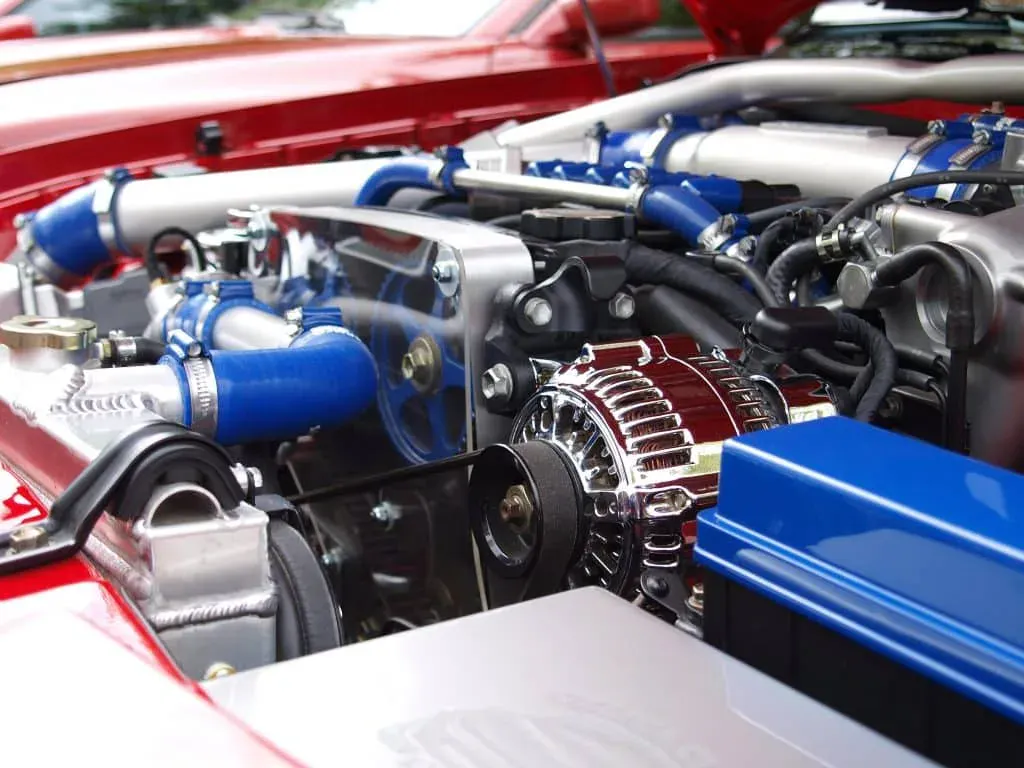
Engine components and cooling system in a high-performance vehicle.

Routine vs. Preventive Car Maintenance: Striking the Right Balance

When it comes to taking care of your car, there are two important things to think about: routine maintenance and preventive maintenance. They might sound similar, but they each play a unique role in keeping your ride smooth and safe.

Routine maintenance involves things like oil changes, tire rotations, and brake checks that keep your car running day to day. On the other hand, preventive maintenance is about stopping problems before they even start, like replacing parts that might wear out soon or checking for issues you might not notice yet.

Finding the right balance between these two is key to making sure your car runs well for years without unnecessary costs. In this piece, let’s talk about how to strike that perfect balance!

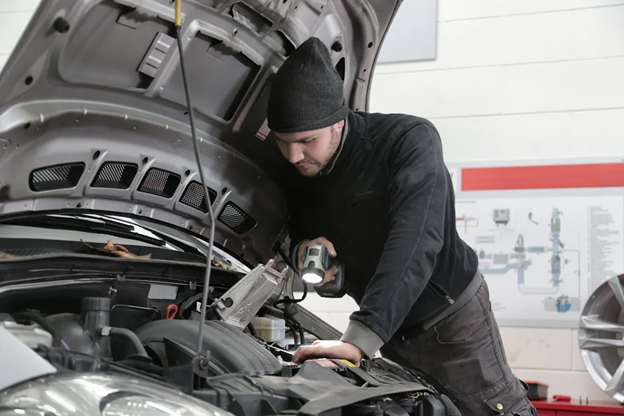
Engine components and cooling system in a high-performance vehicle.

What is Routine Maintenance?

Routine maintenance is the type of car care that happens regularly. It’s the “standard” stuff you do to keep your car running smoothly and avoid immediate breakdowns. Think of it like regular check-ups at the doctor. These tasks are usually scheduled based on the manufacturer’s recommendations and involve things like oil changes, tire rotations, and fluid checks.

Common Routine Maintenance Tasks

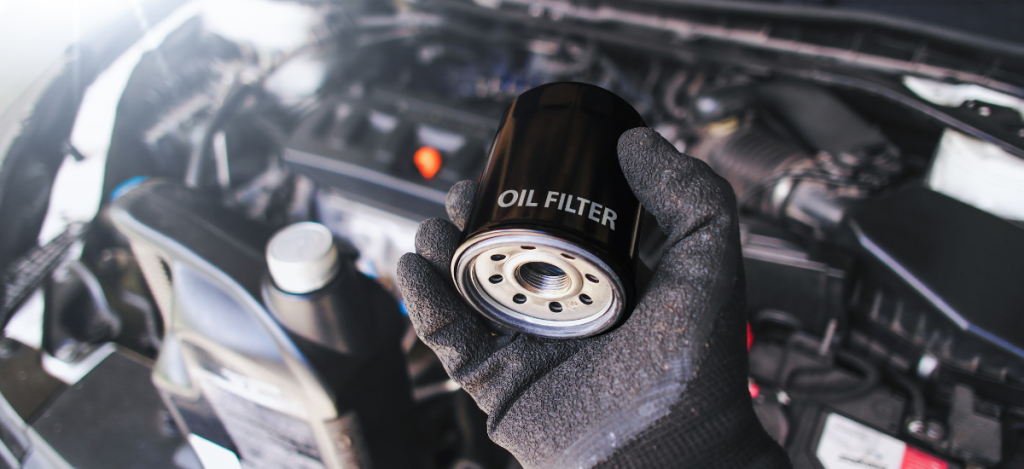
Oil Changes – Your car’s engine oil is like its lifeblood. It keeps all the moving parts of the engine lubricated and prevents them from wearing out. Over time, oil gets dirty and loses its effectiveness, which is why it needs to be changed regularly—usually every 3,000 to 7,500 miles depending on the type of oil you use.

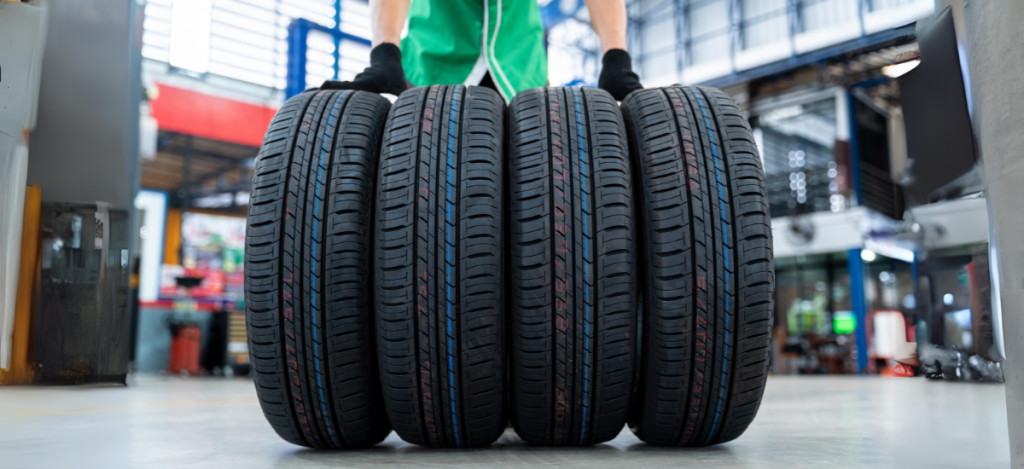
Tire Rotations – Your tires wear unevenly as you drive. The front tires typically wear faster than the back ones, especially if your car is front-wheel drive. Rotating your tires every 6,000 to 8,000 miles ensures that they wear evenly, which extends their life and improves safety and performance.

Fluid Checks – Your car uses a variety of fluids, including engine oil, brake fluid, coolant, and power steering fluid. These fluids need to be topped off or replaced periodically to ensure that all systems are working properly.

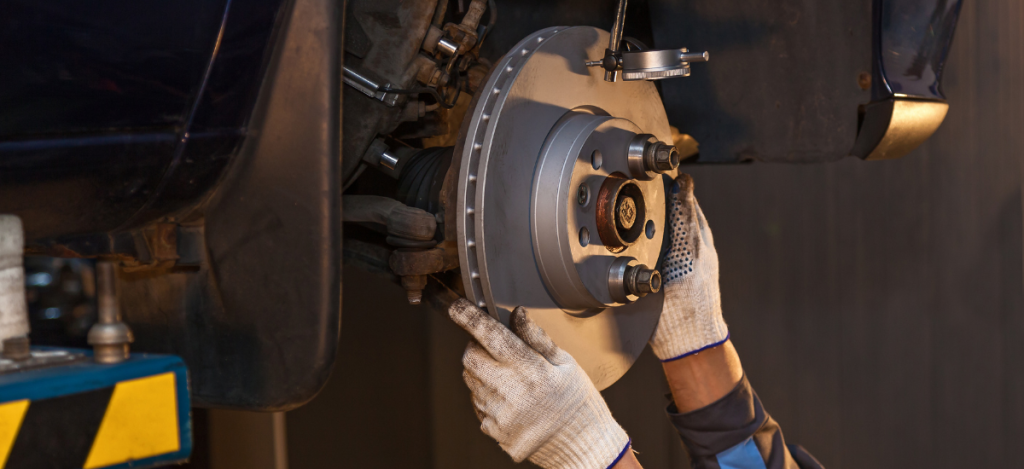
Brake Inspections – Your brakes are one of the most important safety features of your car. They need to be checked regularly to make sure the pads aren’t too worn down and the fluid levels are correct. If you hear squealing or grinding sounds when you brake, that’s a sign that routine brake maintenance is needed.

Air Filter Replacement – Your car’s air filter helps keep dirt and debris out of the engine, ensuring that it runs efficiently. A clogged air filter can reduce fuel efficiency and engine performance, so it’s important to change it every 12,000 to 15,000 miles.

Routine maintenance is generally predictable. You know when to do it because it’s based on time or mileage. These small, consistent tasks keep your car in decent shape and can prevent immediate, obvious breakdowns.

What is Preventive Maintenance?

Preventive maintenance is more about being proactive. While routine maintenance focuses on keeping things running smoothly in the short term, preventive maintenance involves looking further down the road to identify and address potential issues before they turn into major problems. It’s like going to the doctor for a check-up and catching health problems early on—before you feel any symptoms.

Preventive maintenance is less about the day-to-day upkeep and more about avoiding future failures. For example, you might replace parts that are wearing down or upgrade certain systems to ensure that everything lasts longer. While routine maintenance helps prevent breakdowns, preventive maintenance reduces the risk of costly and inconvenient issues down the line.

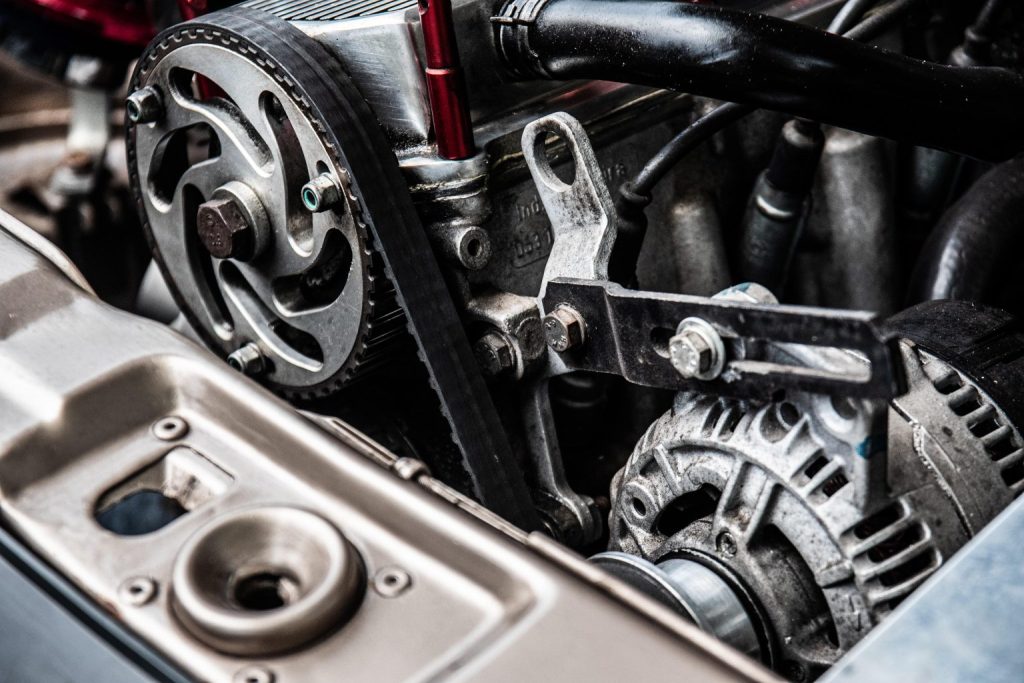
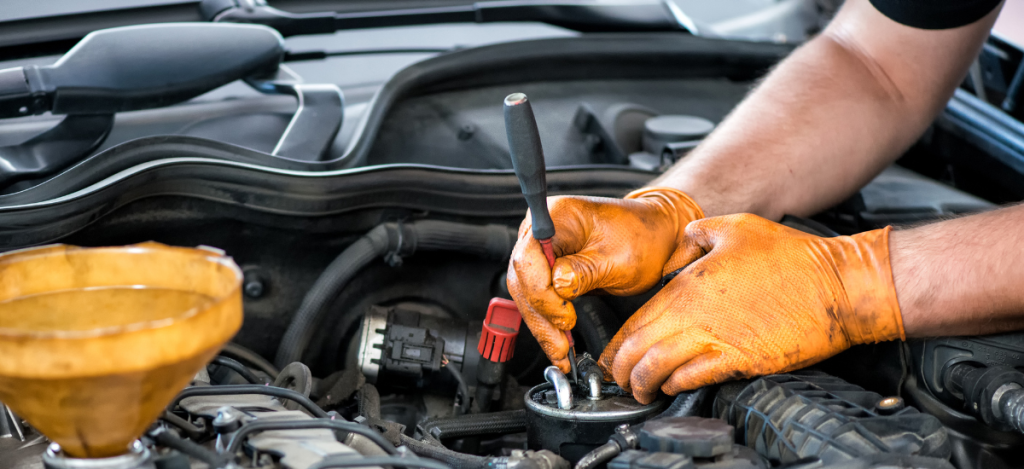
Engine components during routine and preventive maintenance.

Common Preventive Maintenance Tasks

Timing Belt Replacement – The timing belt is a crucial part of your engine. It ensures that the engine’s camshaft and crankshaft are in sync, which is necessary for smooth operation. Timing belts have a limited lifespan, typically around 60,000 to 100,000 miles, depending on the car. If the timing belt breaks, it can cause serious engine damage. Replacing it before it breaks is a critical part of preventive maintenance.

Transmission Fluid Replacement – Transmission fluid is essential for your car’s transmission to operate smoothly. Over time, the fluid can break down, causing shifting problems or even damage to the transmission. Flushing and replacing the fluid every 30,000 to 60,000 miles can help prevent costly transmission repairs.

Spark Plug Replacement – Spark plugs are essential for igniting the fuel in your engine. They can wear out over time, leading to poor engine performance, rough idling, or even starting issues. Replacing spark plugs as part of preventive maintenance can ensure your engine runs smoothly and efficiently.

Battery Replacement – While it’s easy to forget about your car’s battery until it dies, preventive maintenance suggests that you replace it every 3 to 5 years to avoid getting stranded with a dead battery.

Coolant System Flush – Over time, the coolant in your car’s radiator can become contaminated, reducing its ability to keep the engine at the right temperature. Flushing and replacing the coolant every 2 to 3 years can help prevent overheating and engine damage.

Unlike routine maintenance, preventive maintenance can sometimes be a bit harder to keep track of. The tasks aren’t always as frequent, and the need for them might not be immediately obvious. However, they can help prevent expensive repairs down the line and increase the overall lifespan of your vehicle.

Routine vs. Preventive Maintenance: What’s the Difference?

The key difference between routine and preventive maintenance is that routine maintenance is focused on the here and now. It’s about keeping your car running well in the short term. Preventive maintenance, on the other hand, looks ahead, aiming to prevent serious issues from occurring in the future.

Routine maintenance tasks are typically part of a set schedule based on mileage or time. They’re more frequent and often less expensive, but they’re necessary for your car to continue running smoothly on a daily basis.

Preventive maintenance, while also scheduled, usually involves more significant actions that prevent breakdowns from occurring later in your car’s life. These tasks are often more expensive but can save you from paying for bigger, costlier repairs down the road.

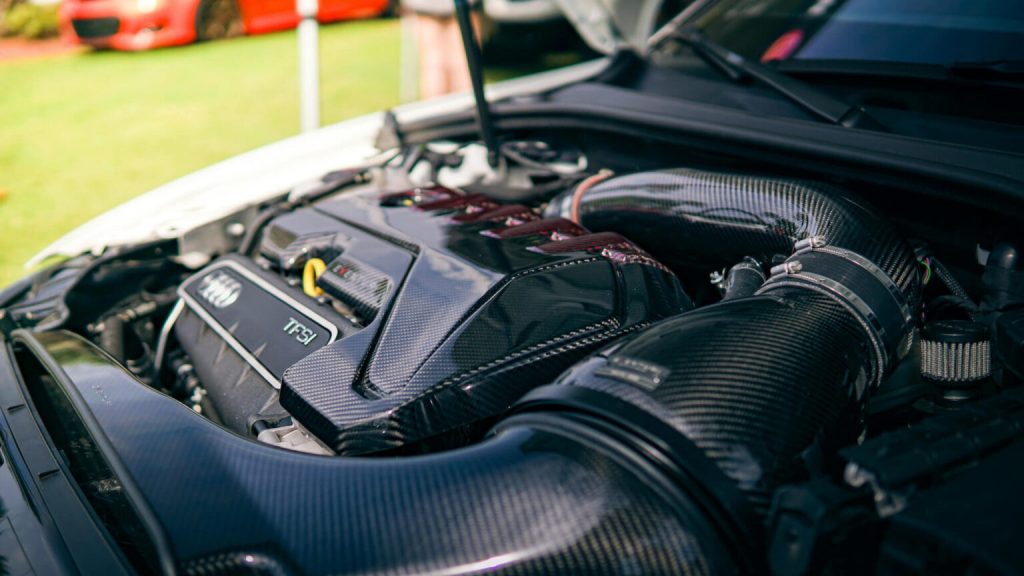
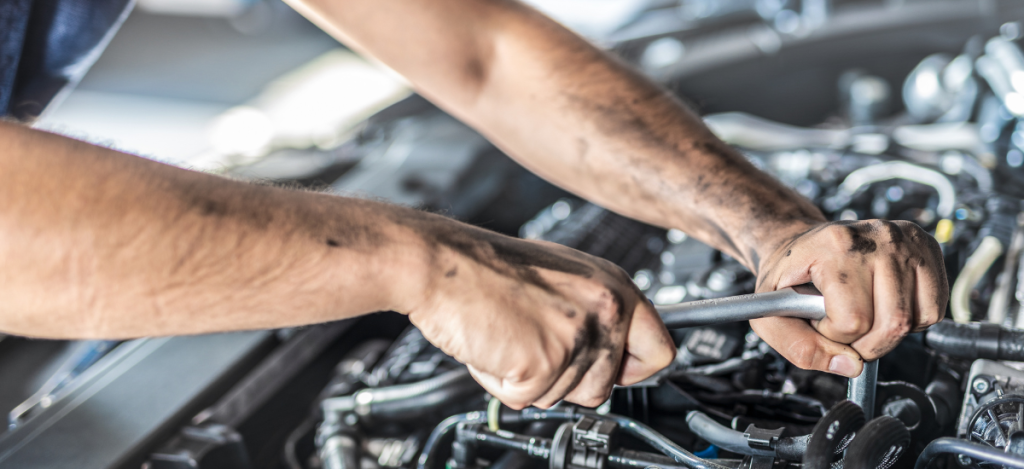
Close-up of a high-performance car engine with carbon fiber components.

Finding the Right Balance

So, how do you strike the right balance between routine and preventive maintenance? The key is to understand that both are important and work together to keep your car in top condition. Neglecting either one can lead to unnecessary problems and expenses.

Follow Your Owner’s Manual – Your car’s owner’s manual is the best place to start when figuring out what type of maintenance your car needs and when. It will provide a recommended maintenance schedule for both routine and preventive tasks, and sticking to that schedule is the best way to avoid breakdowns.

Don’t Skimp on Routine Maintenance – Skipping things like oil changes and tire rotations might seem like a small issue, but these simple tasks prevent bigger problems from cropping up. Routine maintenance is often cheaper than waiting for a more serious issue to happen.

Plan for Preventive Maintenance – While routine maintenance keeps things running day-to-day, preventive maintenance is what ensures your car has a long life. Start planning for preventive maintenance tasks like timing belt replacements and fluid flushes before they become critical. It might cost more upfront, but it can prevent you from facing much larger repair bills in the future.

Keep an Eye on Your Car – Pay attention to any changes in how your car feels or sounds. Strange noises, rough idling, or warning lights can signal the need for a check-up. Even if the car seems fine, it’s important to stick to your regular maintenance schedule to catch potential problems early.

Reach Out to the Experts Today! 

Don’t wait for problems to pop up—keep your car running smoothly with regular maintenance! Schedule your next routine or preventive service appointment with Silver Hill Auto Repair today.

With over 100 years of combined experience, our ASE-certified technicians are dedicated to providing top-notch service with a personal touch.Reach out now to schedule an appointment!

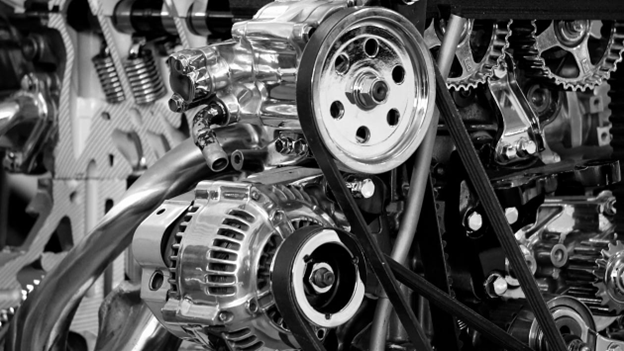
Engine components and belts in a car engine.

Common Car Noises and What They Mean

Has your car been making an odd noise lately? Maybe it’s a strange whirring, a high-pitched squeal, or a deep thud. You might brush it off at first, thinking it’s nothing but before you ignore that noise, think about this: Your car is trying to communicate with you. Every strange sound could be a clue that something needs attention.

The issue could be minor—a little squeaky belt—or something more serious, like brake pads that are nearly worn out. If you want to stay on top of car maintenance, it’s important to be able to differentiate between sounds that are harmless and sounds that are a red flag.

If you’re like most drivers, you might not know exactly what each noise means. But, we’ve got you covered. In this guide, we’ll discuss the most common car noises, what they might signify, and when you should consider bringing your car in for a check-up.

Understanding what your car is telling you can not only save you money in repairs down the line but also help keep you safe on the road. So, the next time your car speaks up, you’ll be prepared to listen!

Squealing or Grinding Brakes

One of the most common noises that car owners hear is a high-pitched squeal or even a grinding sound when applying the brakes.

If you hear a squealing noise, it could mean that the brake pads are wearing thin and need to be replaced. Brake pads have built-in wear indicators designed to make this sound as a warning. If the sound progresses to a grinding noise, it’s an even more urgent sign that your brake pads are worn out completely, and the metal of the pads is rubbing against the rotor.

Don’t ignore this sound as neglecting it can cause further damage to the brake system and compromise your ability to stop safely.

What to do: Have your brake pads checked and replaced by a mechanic as soon as possible.

Clunking or Thumping Sounds

Hearing a deep thumping or clunking sound, especially when going over bumps or turning, is often a sign of suspension issues. The suspension system is made up of components like shocks, struts, and bushings, which help your car absorb impacts and maintain a smooth ride. If something is worn out or broken, the result can be a noisy and bumpy ride.

What to do: Have your suspension system inspected by an auto repair professional. Worn-out components may need to be replaced to restore proper handling and comfort.

Whining or Howling from the Engine

A whining or howling sound that comes from the engine, especially when accelerating, might be caused by a worn or loose serpentine belt. This belt powers many components like the alternator, air conditioning, and power steering. If it’s damaged or loose, it can cause a whining noise as it struggles to function properly.

What to do: Have the belt checked and replaced if necessary. If left unattended, a failing serpentine belt can cause the engine to overheat or lose power.

Engine noise diagnosis for common car issues at Silver Hill Auto Repair.

Hissing Sounds

A hissing noise, particularly coming from under the hood, often signals a coolant leak. If you hear this sound after the engine has been running for a while, steam or hot coolant could be escaping from a cracked hose, radiator, or even the engine block. This can lead to engine overheating and serious damage if not addressed quickly.

What to do: Turn off your engine immediately and allow it to cool down. Then, get your cooling system checked for leaks. Fixing a leak early can prevent costly engine repairs later.

Rattling or Knocking Noises

Rattling or knocking sounds, particularly when accelerating or idling, can be an indication of engine issues. It could be something as simple as a loose heat shield or as serious as a problem with the engine’s internal components, like a worn-out timing chain or low oil pressure.

What to do: If the noise persists or worsens, schedule an appointment with a mechanic as soon as possible. Ignoring engine knocking can lead to catastrophic engine failure.

Popping or Backfiring

Popping or backfiring noises, usually heard when accelerating or decelerating, typically point to a problem with the car’s exhaust system or engine timing. This could be caused by a faulty spark plug, clogged catalytic converter, or air-fuel mixture issues. It may also indicate an exhaust leak, which can lead to poor engine performance and increased emissions.

What to do: Have your exhaust system and engine inspected. A mechanic can determine the root cause and fix the issue before it impacts your vehicle’s performance.

Squeaky Steering

If you notice a squeaking sound when you turn the steering wheel, it may be a sign that there’s an issue with the steering components. A squeak could indicate a lack of lubrication in the steering rack or problems with the power steering system. It could also be caused by worn-out bushings in the suspension or steering joints.

What to do: Have the power steering fluid checked and the steering system inspected. If the problem is more serious, it may require repairs to the steering rack or other components.

Modern black sports car with neon accents, highlighting vehicle noise issues.

Ticking or Clicking Sounds

Ticking or clicking noises that you hear when the engine is running, especially when idle, may be caused by an issue with the valve lifters, low oil levels, or even a malfunctioning fuel injector. If the noise comes from the engine compartment, it could signal that the oil isn’t circulating properly, or the engine components are worn out.

What to do: Check your oil level and quality. If the noise persists, it’s time to bring your car in for a more detailed inspection to ensure the engine is running smoothly.

Vibrations with Noises

If you feel vibrations that are accompanied by unusual sounds, this could point to issues with the tires or wheels. It could be as simple as a stone caught in the tire tread, but if the vibrations are more intense, it could indicate problems like misalignment, unbalanced wheels, or even a bent axle.

What to do: Check your tires for any visible damage, and have your alignment and balance checked by a mechanic.

Excessive Exhaust Noise

If your car suddenly starts producing louder exhaust noises than usual, this could indicate a leak in the exhaust system. A hole in the muffler or exhaust pipe can cause the exhaust to sound much louder and could affect your car’s performance and fuel efficiency.

What to do: Have the exhaust system inspected for leaks or damage. A mechanic can fix the hole and ensure your car is running quietly and efficiently.

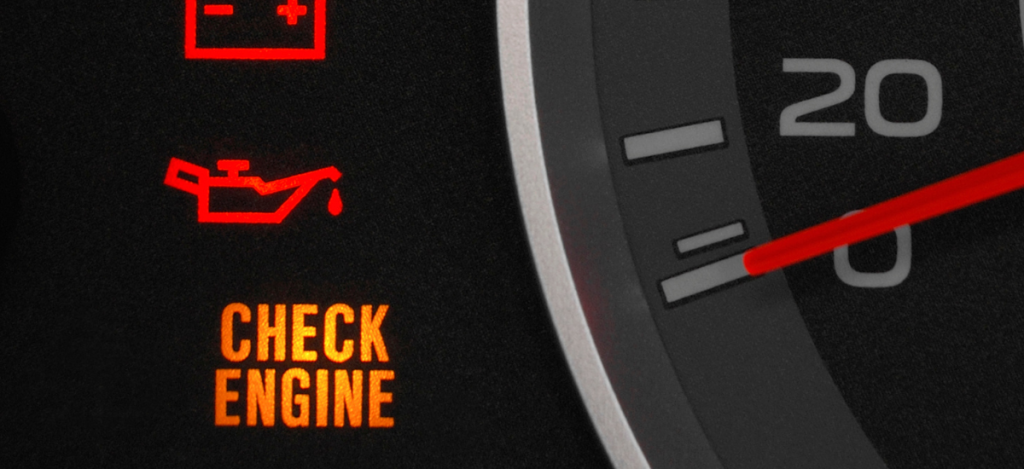
Car dashboard with warning lights and controls for vehicle maintenance.

Call the Experts Today!

At Silver Hill Auto Repair, we understand how concerning strange car noises can be. Whether it’s a squeal, thud, or whirring sound, our expert team is here to help.

With over 20 years of experience and a dedication to honest, top-quality service, we’ll diagnose the issue and get you back on the road safely.

Our ASE-certified technicians have serviced over 20,000 vehicles and are ready to tackle any issue, big or small.

Don’t wait for that noise to get worse—schedule an appointment today with Silver Hill Auto Repair and experience the difference that comes with care and expertise you can trust.

Contact us now to book your appointment.

Vehicle diagnostic testing for optimal performance.

The Importance of Regular Diagnostics for Your Vehicle 

In our daily lives, cars serve as our companions, transporting us to our destinations. However, it’s easy to overlook the task of maintaining our vehicles’ health through routine diagnostics. These diagnostics are essential to ensure our cars remain in optimal condition. They safeguard both their longevity and our safety on the road. This guide will delve into the importance of vehicle diagnostics, highlighting their role in identifying potential issues early on and prolonging the lifespan of our vehicles. 

Understanding the Essence of Vehicle Diagnostics

Technician performing vehicle diagnostics under the hood for optimal car health.

Vehicle diagnostics are like health check-ups for your car. They use tools and software to examine different parts of your vehicle, such as the engine, transmission, and brakes. These tools analyze data from your car’s computer to find any problems early on. For example, if your check engine light comes on, diagnostics can tell you if there’s a problem with your oxygen sensor or if a cylinder isn’t firing right. By finding these issues early, you can fix them before they become big and expensive. So, think of diagnostics as preventive medicine for your vehicle, helping to keep it healthy and reliable. 

The Benefits of Regular Diagnostics

Regular diagnostics offer a multitude of benefits for vehicle owners: 

Cost Savings

Regular diagnostics help you save money by catching problems early. Let’s say your car’s diagnostic tool finds a potential issue with the transmission. If you address it right away, you can avoid the transmission failing, which could be very expensive to fix. By fixing small issues early, you can prevent them from turning into big problems that cost a lot of money. This means you could save hundreds or even thousands of dollars in repair costs. So, regular diagnostics can help you keep your car running smoothly without breaking the bank. 

Improved Performance

Ensuring your car runs smoothly is essential for its performance and longevity. When problems are identified during diagnostics and fixed promptly, it improves how your car operates. This means it uses less fuel, which saves you money on gas in the long run. Fixing issues right away can help extend the lifespan of your car’s parts. For instance, if the diagnostics reveal that your spark plugs aren’t functioning, replacing them can enhance your engine’s performance and fuel efficiency. By fixing these issues, you save money on fuel and prevent breakdowns.  

Enhanced Safety

Vehicle diagnostics help make driving safer for everyone on the road. Think about it: what if your car’s steering had a problem that could make you lose control while driving? Diagnostic tools can find these problems early. That way, mechanics can fix them before they become dangerous. For example, if a diagnostic tool finds a problem with the steering, you can fix it right away. This helps you avoid accidents and costly damage to your car. Also, diagnostics can find issues with the tire pressure monitor. It’ll tell you if your tire pressure is too low. By fixing these problems early, you can prevent blowouts and accidents while driving. This makes your journey safer for you and your passengers. So, vehicle diagnostics are super important for keeping you safe on the road. They give you peace of mind and confidence in your car’s reliability. 

Environmental Benefits

Regular car check-ups play a crucial role in protecting the environment. They ensure that your vehicle operates efficiently and emits fewer pollutants into the air. These check-ups involve using specialized diagnostic tools. The tools identify any issues that could impact fuel efficiency and emissions. For example, if your car’s oxygen sensor is faulty, fixing it can improve fuel efficiency and reduce harmful emissions. This helps you contribute to a cleaner and healthier environment for everyone. 

Methods of Vehicle Diagnostics

Checking your car’s health involves two main methods: visual inspections and diagnostic scanners. 

Visual Inspections

Technician performing vehicle diagnostics to ensure optimal engine performance.

Visual inspections are a simple but really important part of taking care of your car. Mechanics do these inspections by looking closely at different parts of your car, like belts, hoses, and fluid levels. For example, they’ll check the engine belts and hoses for any cracks or leaks. Finding these issues early can help fix them before they become bigger problems. This way, your car can keep running smoothly for longer. 

Diagnostic Scanners

Diagnostic scanners are tools made to get info from your car’s computer systems. They connect to a special spot in your car to collect all sorts of details, like error codes, sensor readings, and how different components are doing. Mechanics use the info from these scanners to find out exactly what’s up with your car and fix it fast, so it keeps running smoothly. So, if your car’s check engine light comes on, a diagnostic scanner can figure out what’s wrong. Whether it’s a small problem with a sensor or something bigger with the mechanics.  

Best Practices for Regular Diagnostics

To reap the full benefits of regular diagnostics, follow these best practices: 

Schedule Regular Checks

Make sure to schedule diagnostic checks for your vehicle at least once a year. If you notice anything strange with your car, like it’s hard to start or it’s not running smoothly, it’s a good idea to get a diagnostic check. This helps find out what’s wrong early on and prevents bigger problems later. 

Choose a Good Mechanic

It’s important to choose a mechanic or service center that you trust. Look for mechanics who have experience doing diagnostic tests and can understand the results properly. You can ask friends or family for recommendations or check online reviews. Also, make sure the service center has the right tools, like OBD-II scanners, to do thorough diagnostics on your car. 

Pay Attention to Warning Signs

Vehicle dashboard with check engine light illuminated, emphasizing diagnostics and auto repair servi.

Keep an eye out for warning signs that could mean your car has a problem. These signs include dashboard warning lights coming on, like the check engine light or ABS light, or strange noises coming from your engine or brakes. For example, if the check engine light comes on, it could mean there’s something wrong with the engine or emissions system.

Trust Silver Hill Auto Repair for Your Car's Diagnostics

To sum up, regular vehicle diagnostics are crucial for ensuring the health and safety of your car. By staying proactive and conducting routine checks on your vehicle, you not only safeguard your investment but also ensure the safety of yourself, your passengers, and others on the road. Silver Hill Auto Repair in Suitland, MD, is your trusted partner for all your car check-up needs. With over 18 years of experience and ASE-certified mechanics, you can rely on Silver Hill to deliver exceptional service. From basic maintenance to tackling complex issues like heating, AC, steering, and suspension problems, we handle it all with fairness and transparency in pricing. For top-quality care for your car, choose Silver Hill Auto Repair. Contact us today or schedule an appointment online and experience why we’re the preferred choice for auto repair and maintenance in Suitland, MD.

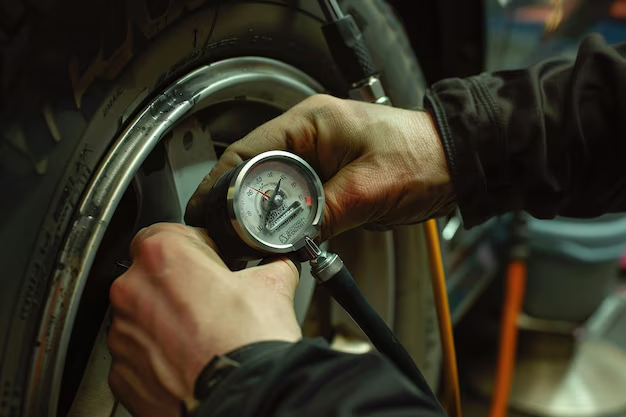
Technician inspecting a car tire during maintenance at Silver Hill Auto Repair.

Essential Car Maintenance Checklist Every Driver Should Know in 2024

As we enter 2024, it’s crucial for all drivers to know about car maintenance. Taking care of your vehicle ensures a smooth and safe ride throughout the year. Your vehicle is not only a means of transportation. It’s an investment in both your safety and the longevity of your car. In this blog, we’ll help you with a car maintenance checklist that every driver should know. Whether you’re a regular or new driver, these tips will help you keep your vehicle in prime condition.

The Three-Tiered Car Maintenance Approach

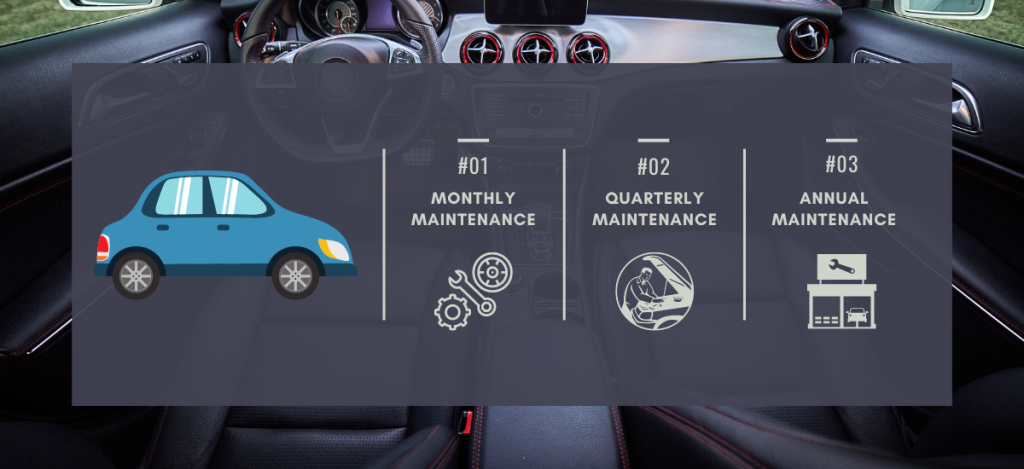
Creating a systematic approach to car maintenance is essential. We recommend dividing your checklist into monthly, quarterly, and annual tasks. This way, you can address both immediate needs and long-term considerations. You may tailor your maintenance routine to your vehicle’s specific requirements.

Car maintenance schedule infographic with monthly, quarterly, and annual checks.

A.  Monthly Car Maintenance

1. Check the oil level

Your engine’s well-being depends on proper lubrication. Checking your engine oil levels on a regular basis is a fundamental practice. Begin by turning off the engine and allowing it to cool for at least ten minutes. Use the dipstick to examine oil levels. Make sure they fall within the recommended range. Dark or black oil signals the need for an oil change. Low oil levels can lead to increased friction and potential engine issues.

2. Inspect coolant and brake fluid levels

Maintaining proper coolant levels is crucial to prevent overheating. Confirm the coolant level when the engine is cool. For vehicles with a coolant tank, ensure the fluid is above the least indicator. If your vehicle lacks a tank, check the radiator. Make sure your engine is cool while doing this. To stop your engine from getting too hot and to make sure your brakes work well, check these fluids often.

3. Wiper blade and windshield washer check:

Visibility is paramount for safe driving. Especially during Suitland’s rainy and snowy days! Inspect your wiper blades on a monthly basis, for any signs of wear or damage. Make sure your windshield washer fluid is full so you can see clearly, especially in bad weather. 

4. Headlights and tire inspection:

Functioning lights are crucial for safety. Confirm that all your lights, including headlights, are operational. A second set of eyes can be beneficial – ask a friend to assist in checking brake and turn signals while you inspect the lights. Simultaneously, check your tire pressure to ensure they are well inflated. Well-inflated tires contribute to better fuel efficiency and safety.

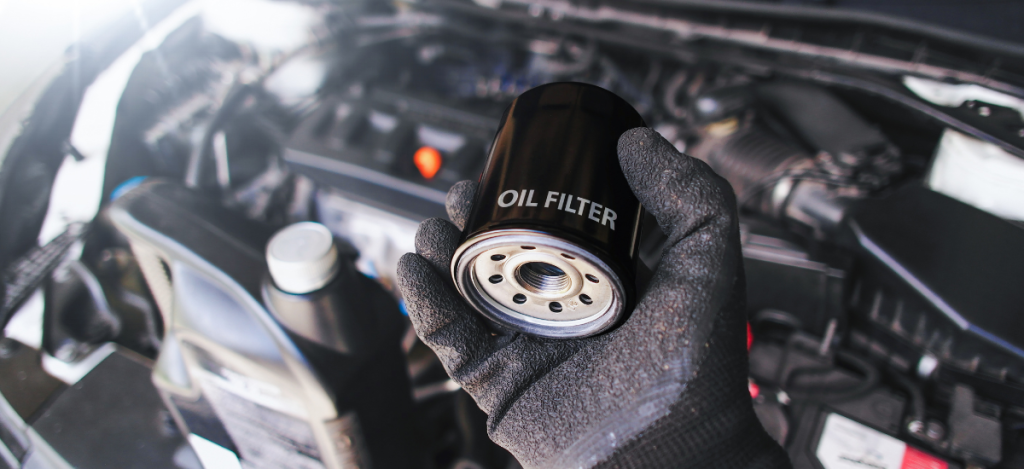
Oil filter being replaced in a vehicle engine for optimal performance and longevity.

B. Quarterly Car Maintenance

1. Oil and oil filter change:

Clean oil is vital for the health of your engine. To keep your engine running well, change the oil and oil filter every three months. A smooth, slick, and amber-coloured oil indicates its good condition. Gritty or dark brown/black oil signifies the need for an oil change. Using fresh oil in your engine helps it run smoothly and last a long time.

2. Fan belt and hose inspection:

To prevent problems, check your fan belt and hoses regularly. This can help avoid breakdowns. Look for signs of wear and tear, such as cracks or fraying. If you deal with these problems early, you can avoid bigger and more expensive fixes later.

3. Battery and cable check:

Your car’s electrical system plays a crucial role in its overall performance. Every three months, inspect your battery for corrosion. Also, ensure the cables are tightly connected. If you find a cracked case or frayed cables, think about getting a new one. A reliable electrical system is important for starting your car and running its various parts.

4. Power steering fluid check:

A smoothly operating steering system enhances your driving experience. Check your power steering fluid quarterly to ensure it’s at the proper level. Maintaining optimal fluid levels contributes to responsive and easy steering.

C. Annual Car Maintenance

1. Coolant system flush:

Keep your engine healthy and prevent overheating by scheduling a coolant system flush every year. Over time, coolant can accumulate contaminants, affecting its efficiency. A flush ensures a clean and effective cooling system.

2. Spark plug replacement:

Efficient fuel combustion is crucial for your engine’s performance. Replace your spark plugs annually to maintain proper ignition and combustion. Fresh spark plugs contribute to improved fuel efficiency and overall engine efficiency.

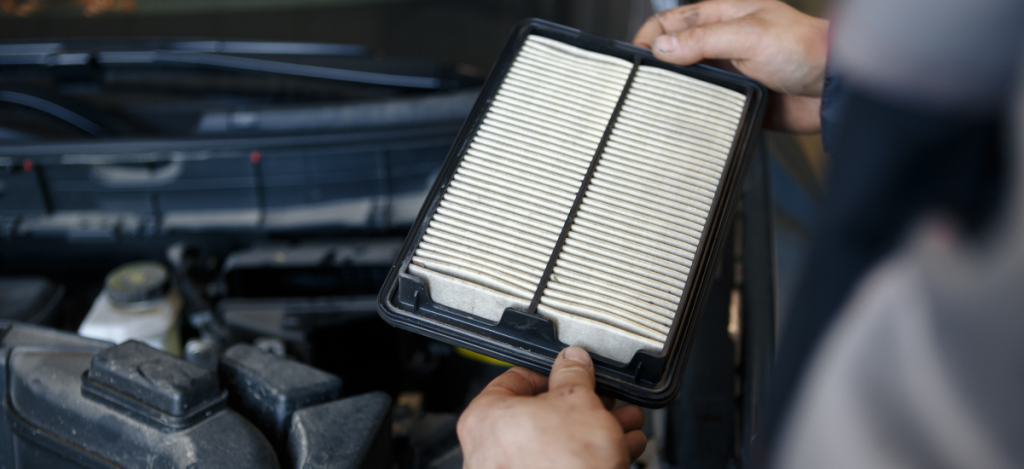
Car air filter being checked during routine maintenance.

3. Air cabin and engine air filter change:

Ensure good air quality inside your car by replacing the cabin air filter annually. Simultaneously, replace the engine air filter to optimize combustion efficiency. Consult your owner’s manual to locate the air filter. Check if the light can pass through when held up – if not, replace it. Clean filters improve engine performance and make driving healthier.

4. Wheel alignment check:

Wheel alignment is crucial for optimal vehicle performance. Signs of issues include irregular tread wear like scalloping, cupping, and feathering. Other signs are vehicle pulling to one side, an off-center steering wheel, handling problems, and increased tire noise/vibrations. If you notice any of these signs, have a professional check your wheel alignment. This will help your tires wear evenly, save fuel, and keep you safe while driving.

5. Brake and wheel bearing inspection:

Prioritize safety with an annual inspection of your braking system and wheel bearings. To keep your car safe, it’s important to catch and fix brake problems early. This helps prevent accidents and keeps you safe on the road.

6. Tire Inspection:

To keep safe and perform well, it’s important to replace worn-out or damaged tires. Regular inspections for bald spots, cracks, and bulges are essential. To keep your fuel and ride smooth, follow the tire replacement schedule suggested by the manufacturer. Generally, tires should be replaced every 6 years, regardless of mileage, and sooner if significant wear or damage is evident.

Technician using laptop for car maintenance diagnostics at auto repair shop.

Long-Term Checks and Expert Inspections

Certain components require attention over longer intervals. Professional inspections by our ASE-certified technicians are crucial for identifying issues that may go unnoticed during routine checks.

Transmission fluid change:

Maintain smooth gear shifts and prevent transmission damage.

Transfer case fluid check:

Ensure power is efficiently distributed in 4-wheel or all-wheel drive vehicles.

Suspension Inspection:

Ensure a smooth ride by checking shocks and struts every 50,000 miles.

Differential fluid check:

Keep differentials lubricated for proper torque distribution.

Seasonal Check-Ups

Consider seasonal changes when maintaining your vehicle:

Replace windshield wipers:

Optimize visibility during rainy or snowy seasons.

Battery performance check:

Extreme temperatures affect battery performance, so regular testing is crucial.

Change tires:

Switch to winter/snow tires in colder months for improved traction.

Choosing Quality Over Quick Fixes

When it comes to maintenance and repairs, prioritize quality over quick fixes. Genuine parts and professional services may be pricier, but they ensure compatibility, durability, and optimal performance, preventing future issues.

Environmental Benefits of Regular Maintenance

Regular maintenance not only enhances performance but also contributes to environmental sustainability. Well-maintained cars operate more efficiently, reducing emissions and promoting cleaner air.

Conclusion

Your car is a valuable investment, and a well-maintained vehicle not only ensures safety but also adds value when it’s time for an upgrade. Follow this comprehensive car maintenance checklist to enjoy a smooth, efficient, and safe driving experience throughout 2024 and beyond.

Silver Hill Auto Repair in Suitland, Maryland is more than a repair shop; it’s a beacon of automotive expertise. We encourage every driver to use this comprehensive checklist to maintain their car. Contact us now to book an appointment for your car. The road ahead is smoother when you and your vehicle are in sync. Happy driving!

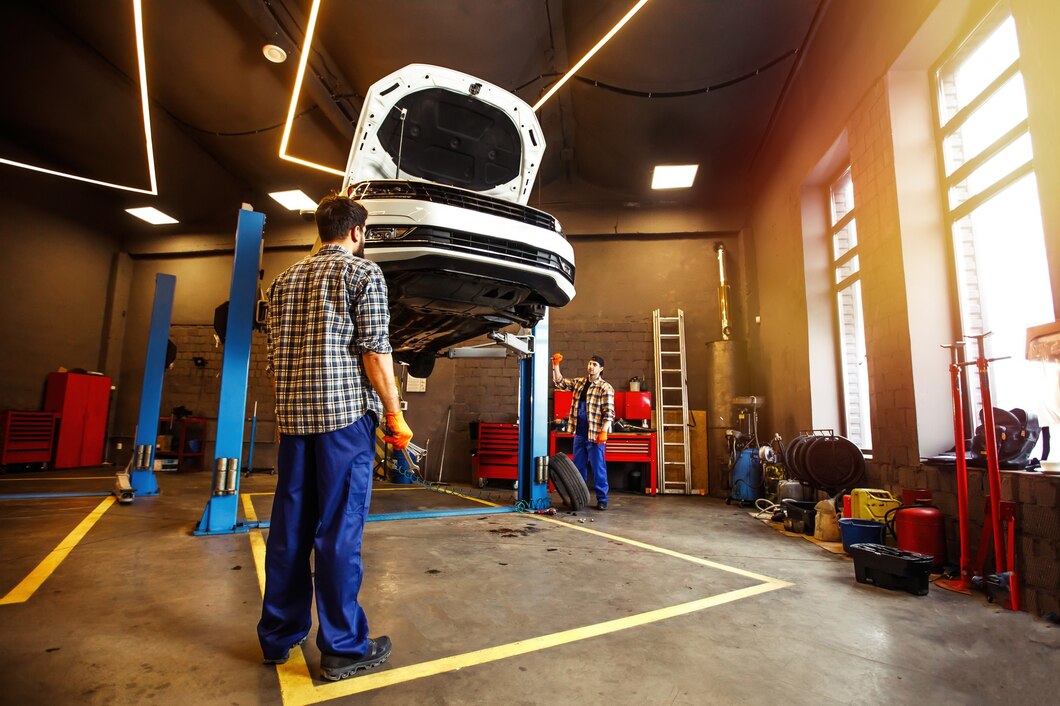
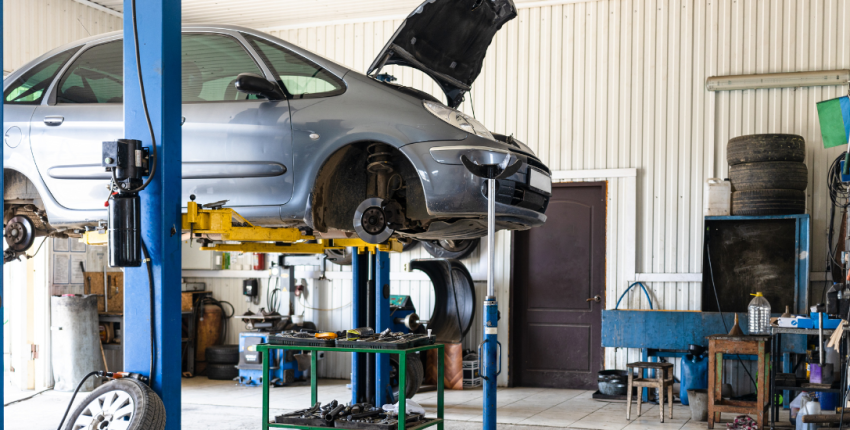
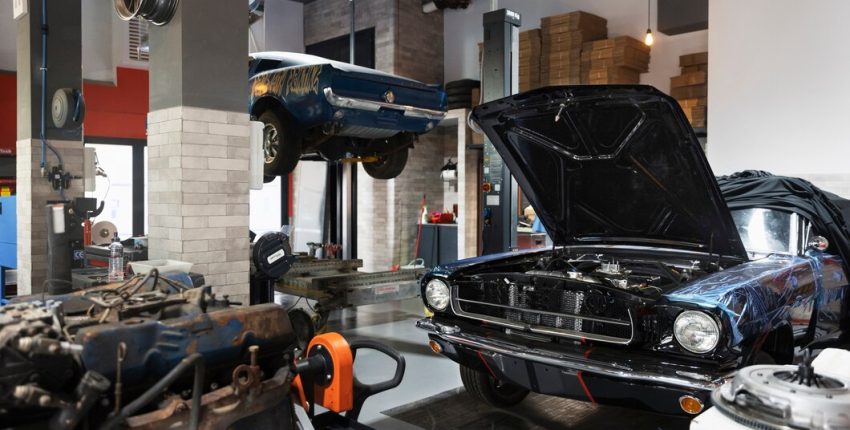
Auto repair shop with a car on lift for preventive maintenance services in Suitland, MD.

A Comprehensive Guide to Preventive Maintenance for Car Owners in Suitland, MD

As a car owner, one of the most essential things you can do for your vehicle is to provide it with regular preventive maintenance. Preventative maintenance refers to consistent servicing and maintenance. This keeps your car running smoothly and saves you money in the long run.

Our team of experienced technicians at Silver Hill Auto Repair is dedicated to providing the highest level of customer service and car care in Suitland, MD. Let’s explore some of the most critical aspects of preventive maintenance that every car owner should know.

Oil changes

Regular oil changes play a critical role in ensuring the longevity of the vehicle. Proper lubrication minimizes friction, reduces wear and tear, and maintains the engine’s efficiency. Fresh and clean oil safeguards the engine against corrosion and reduces the risk of overheating.

Over time, the engine oil gets contaminated, losing effectiveness. Aim to change it every 5,000-7,000 miles based on your car type and model. This guideline for oil change provides a balance between proactive maintenance and cost-effectiveness. However, if you frequently drive in stop-and-go traffic or extreme weather conditions, your engine works harder. In such cases, it is recommended to change the oil even earlier.

Tire rotations

Switching the positions of your tires contributes to consistent wear. It also enhances their lifespan. Keeping a routine tire rotation helps preserve even tread loss across all four tires.

It’s generally advised that you should rotate your wheels between every 5,000 to 7,500 miles driven. However, the best schedule often relies on factors such as tire quality. Other factors are the weight load borne by the vehicle and driving circumstances.

Committing yourself to a systematic tire-moving agenda could extend their durability. It will also ensure excellent safety for you and your loved ones.

Brake inspection and maintenance

Timely inspections of brakes can aid in spotting issues before they worsen. It’s advised for car owners in Suitland, MD to review your brake conditions at each tire rotation interval.

The approximate area is after every 6,000 miles travel distance. Regular brake inspections can detect problems early. Check your brakes during each tire rotation, roughly every 6,000 miles.

Enough coolant stops overheating instances, whilst pure transmission liquid aids effective gear transitions. Appropriate levels of braking fluid are imperative for secure stopping.

Air filter replacement

A crucial preventive maintenance operation is changing the air filter in your car. It can extend the life of your engine. You should change your air filters every 12,000 to 15,000 miles, once a year.

Your engine may have to work harder as a result of a dirty air filter, which may decrease fuel efficiency. It could also increase fuel emissions.

An affordable maintenance task is changing your air filter. This simple step can keep your automobile running smoothly.

Replacement of the spark plug

Spark plugs play a vital role in starting the engine by igniting the air-fuel mixture in the cylinder. Over time, they can wear out or get dirty, which can reduce their effectiveness.

Replacing spark plugs can boost fuel efficiency and extend your engine’s lifespan. You should replace them typically between 30,000 to 100,000 miles depending on their type. This leads to optimal ignition which promotes complete combustion of the fuel. On the contrary, damaged spark plugs can reduce fuel economy by up to 30%. This puts a dent in your wallet during gas station visits.

Belts and hoses inspection

Your car’s engine depends a lot on belts and hoses to power components like the alternator and water pump. Over time, these parts wear out and deteriorate, increasing the risk of failure. Regularly checking your vehicle’s belts and hoses allows you to identify potential issues.

It’s recommended to perform an annual inspection of both belts and hoses. If you notice any unusual wear on a belt, replace it immediately. Newer composite models may only show signs of wear once they fail suddenly.

Cabin air filter replacement

The cabin air filter shoulders the duty of barring dust, and airborne bits. They could trigger allergies or breathing troubles. The accumulated dust can then congest this filter, leading to a fall in its operational power.

We advise you to swap your car’s cabin air filter every 15,000 to 30,000 miles. Regular renewals help enhance the in-car atmosphere.

Battery inspection and testing

Consistent checks and evaluations of your vehicle’s battery can prevent sudden failures. The car battery supplies power to all the electrical devices in your automobile. These devices include lighting, the starter system, and the audio unit.

With progressive wear on batteries over time comes diminished charging capability. Preventative maintenance through inspection could spot common problems early.

Hence, we recommend that you assess your vehicle’s energy source at least yearly.

Cooling system inspection and maintenance

Consistent checks of your vehicle’s cooling system can aid in warding off overheating. It thereby extends your engine’s lifespan.

Routine checks of the suspension, steering, and exhaust help spot issues early on. Efficient preventive maintenance ensures a smooth, functioning car.

Suspension system inspection

It’s crucial to examine your car’s suspension system. It plays a key role in ensuring the stability, control, and safety of your vehicle. The purpose of this system is to absorb road shocks and vibrations. This results in a smooth journey while maintaining tire contact with the road surface.

You can check on its condition by looking at various parts. By checking shocks, struts, or bushings, you can look out for any signs of damage.

Keep an eye out for signs of uneven wear in grease boots, and rubber bushes. You should also tie rods as part of your preventative maintenance routine. Car owners in Suitland, MD are encouraged to schedule recommended yearly routines. This helps to detect potential problems early, saving both time and money.

Preventative Maintenance, Suitland MD

Your Trusted Partner for Car Care In Suitland, MD

If you think about ensuring your car’s top-tier performance, one place indeed stands out. We, at Silver Hill Auto Repair, are the reliable partners for every auto care need you may have. 

We have an experienced team and cutting-edge technology to assist you. Our team provides an extensive range of services. From ordinary oil swaps to comprehensive checks on brakes, belts, and hoses – all perspectives are taken care of by us.

Your wheels deserve nothing but excellence. It is what we aim to deliver with determination to keep it primed to extend. Contact us today to book an appointment!

Car AC control panel with defrost and ventilation settings.

No More Sweating: Tips for Proper Maintenance of Your Car’s AC System

Imagine the scorching summer sun bearing down on you as you slip into your car. In moments like these, your car’s air conditioning system transforms into your ultimate savior, promising relief from the oppressive heat. It becomes your sanctuary, your cool oasis on blistering days. However, like any component of your vehicle, your AC craves attention and care.

Importance of Regular Maintenance

Air conditioning servicing is an important part of the regular vehicle maintenance routine.

Better Performance:

Regular check-ups keep your AC system in top shape, making sure it cools like a champ on hot days.

Comfy Rides:

Maintenance means no more sweating in the car. Your AC will keep you cool and comfy throughout your journeys.

No Unwanted Surprises:

Take care of your AC, and it’ll take care of your wallet. Prevent expensive repairs by fixing issues before they become big problems. Stay cool and save cash!

At Silver Hill Auto Repair, we acknowledge the pivotal role of a well-maintained AC system in your car. Now, let’s delve into a comprehensive guide to ensure your car’s AC system operates flawlessly and keeps you cool during the dog days of summer.

Maintaining Clean Air

Person adjusting car air conditioning vent for proper airflow and maintenance.

Cabin Air Filter Inspection:

Your car’s cabin air filter is the unsung hero in maintaining air quality inside your vehicle. It removes dust and allergens, ensuring the air you breathe remains clean and pure. Over time, this filter can become full of debris, obstructing airflow and creating an ideal environment for bacteria. To safeguard your air quality and AC performance, make it a ritual to replace your cabin air filter every year. You may also adhere to your car manufacturer’s recommendations. Additionally, regular inspections are crucial, especially if you travel through dusty terrains.

Check Refrigerant Levels : 

The refrigerant is the spine of your car’s AC system. It is responsible for cooling your AC’s air. Low refrigerant levels can result in your AC emitting warm air, often a sign of leaks in the system. During your routine vehicle servicing, request your mechanic to examine the refrigerant level. Addressing leaks is essential to prevent further damage to your AC system.

Examine the Condenser : 

The AC condenser plays a pivotal role in the cooling process. It cools the high-pressure refrigerant gas from the compressor and transforms it into a cold liquid. As you cruise along, your car’s condenser accumulates road debris, obstructing airflow and causing your AC to dispense warm air. It’s wise to pop open the hood and inspect the condenser regularly. If it appears dirty or clogged, use a hose to gently cleanse it through the grilles. For any signs of damage, seek the counsel of a mechanic to find out if a replacement is warranted.

Efficient Cooling Strategies

Technician testing car AC pressure with gauges during maintenance.


Test Compressor Performance:

Think of the compressor as the heart of your car’s AC system. Irregularities in the compressor’s pulley, piston, or clutch can lead to AC failure. It is often accompanied by peculiar knocking sounds.

Inspect Cooling Fans:

Effective cooling fans are the AC system’s trusted allies. They assist in the efficient expulsion of heat, thus ensuring its consistent functionality. Any faults in these fans can result in warm air from your vents, often due to electrical glitches. To prevent such inconveniences, regularly examine the cooling fans for visible damage. If they appear normal yet the issue persists, consult an automotive technician. He will examine their internal components.

Prioritize Routine AC Maintenance:

Routine maintenance is essential to maintain your AC system’s optimal functionality. Neglecting this pivotal aspect could translate into large repair expenses down the road. Ensure you schedule periodic AC servicing with your trusted local mechanic. If you live in Suitland, Maryland, you may rely on Silver Hill’s automotive experts. They are renowned for their transparent pricing and commitment to delivering premium repairs. The aim is simple: to keep your AC system in perfect working condition, sparing you from unwelcome repair bills.

Optimal Cooling Practices

Activate Defrost Mode Weekly:

Preserve your AC’s gas pressure and ensure a smooth compressor operation by running it in defrost mode. Do this for approximately ten minutes each week. Set the temperature to its lowest point and the fan speed to maximum. This practice helps cut moisture. It also aids in defogging your windshield during colder seasons.

Clean or Replace Air Filters:

Air filters play a pivotal role in maintaining optimal airflow within your AC system. Dirty cabin air filters can be obstructive, curtailing airflow and diminishing cooling efficiency. Perform regular inspections of your air filter and promptly clean or replace it as required. This minor maintenance task can significantly enhance your AC’s performance.

Discard Pre-Cooling Rituals:

Contrary to popular belief, pre-cooling your car before hitting the road is unnecessary. Modern AC systems function most efficiently when the vehicle is in motion. Instead, on sweltering days, begin your journey with the fan set to high speed. For a quick cool-down, briefly open the backseat windows for 10 to 20 seconds to expel hot air before sealing them, ushering in a cooler ride.

Opt for the Coldest AC Setting:

For optimal cooling and energy efficiency, opt for the lowest temperature setting. Adjust the fan speed according to your comfort. Most AC systems cool the air to a temperature between 3-4°C. Choosing higher settings compels the system to reheat the air. This process consumes more fuel. 

In conclusion, your car’s AC system serves as your sanctuary on blistering summer days. It offers comfort and respite from the heat. By adhering to these tips, you can ensure that it operates at peak efficiency, keeping you cool during your journeys. Remember, a well-maintained AC system not only enhances your comfort but also shields you from repair expenses.

Silver Hill Auto Repair is your partner in ensuring reliable AC services in Suitland, Maryland. Our professionals can identify issues within your AC system and provide efficient solutions.

Don’t procrastinate; reach out to us now to schedule an appointment for your car’s air conditioning service now!

Stay cool and comfortable on the road, no matter how intense the summer heat may be!