In 2026, your vehicle is more advanced, more connected, and more essential than ever. From daily commutes in Suitland, MD, to road trips across the DMV area, your car plays a critical role in your routine. With modern vehicles featuring driver-assist systems, complex electronics, and improved fuel efficiency technologies, keeping up with maintenance is not just recommended. It is necessary.
This comprehensive 2026 car maintenance checklist will help you stay proactive, avoid unexpected breakdowns, and keep your vehicle performing at its best all year long.
Why Regular Car Maintenance Matters More Than Ever in 2026
Vehicles today are built with sophisticated onboard computers, sensors, and integrated safety features. While these advancements improve comfort and safety, they also make routine maintenance even more important.
Skipping maintenance can lead to:
- Reduced fuel efficiency
- Decreased performance
- Warning lights and system malfunctions
- Increased safety risks
Imagine heading to work on a busy morning only to see a dashboard warning light flash on, or worse, your vehicle refusing to start. Many of these situations are preventable with consistent care and attention.
Preventative maintenance helps extend your vehicle’s lifespan, maintain resale value, and ensure you and your passengers stay safe on the road.
Engine and Oil Maintenance
Your engine remains the heart of your vehicle. In 2026 models, engines are often paired with turbochargers, start-stop systems, and advanced fuel injection technology. Clean, high-quality oil is essential to keep everything running smoothly.
Oil Changes
Follow your manufacturer’s recommended oil change intervals. Many modern vehicles monitor oil life electronically and will notify you when service is due. Even with advanced systems, it is wise to remain attentive to mileage and driving conditions.
Failing to change oil regularly can lead to:
- Engine sludge buildup
- Overheating
- Reduced fuel efficiency
- Premature wear
Check your oil level periodically and look for signs of leaks under your vehicle. If you notice dark, gritty oil or low levels, schedule service promptly.
Engine Inspections
Listen for unusual noises such as knocking, ticking, or rattling. Watch for warning lights on the dashboard. If something feels off, do not ignore it. Modern vehicles are excellent at alerting drivers when something needs attention.
Routine inspections can identify minor issues before they escalate into major problems.
Coolant and Essential Fluid Checks
Fluids are the lifeblood of your vehicle. In 2026, cooling systems are designed for efficiency, but they still require regular monitoring.
Coolant
Coolant protects your engine from overheating in summer and freezing in winter. Check the coolant reservoir monthly and before long trips. If levels drop frequently, there may be a leak that needs professional attention.
Overheating can cause serious engine damage, so never ignore rising temperature gauges or warning lights.
Brake Fluid
Brake fluid enables hydraulic pressure within your braking system. Low fluid levels may indicate worn brake components or leaks. If your brake pedal feels soft or spongy, have it inspected immediately.
Transmission Fluid
Transmission systems, especially in vehicles with continuously variable transmissions or dual-clutch systems, rely on clean fluid for smooth operation. If you experience delayed shifting or unusual vibrations, have your transmission checked.
Power Steering and Washer Fluid
Power steering fluid ensures easy maneuverability, while windshield washer fluid maintains visibility during bad weather. Keep both topped off and inspect for leaks regularly.
Tire Care and Road Safety
Your tires are your vehicle’s only connection to the road. Proper maintenance improves safety, fuel efficiency, and handling.
Tire Pressure
Check tire pressure monthly using a reliable gauge. Incorrect pressure can cause uneven wear, reduced traction, and poor fuel economy. Refer to the sticker inside your driver’s door for recommended PSI levels.
Temperature changes throughout the year can affect pressure, so stay especially vigilant during seasonal transitions.
Tread Depth
Inspect tread depth to ensure proper grip, especially during rain or snow. A quick test involves placing a coin into the tread grooves. If tread appears shallow or uneven, replacement may be necessary.
Worn tires increase stopping distances and reduce control in emergency situations.
Tire Rotation
Rotate your tires at regular intervals to promote even wear. This helps extend tire life and maintain balanced handling.
Wheel Alignment
If your vehicle pulls to one side or the steering wheel feels off-center, your wheels may be misaligned. Alignment ensures stable handling and prevents uneven tire wear.
Avoid potholes and curb impacts whenever possible, as these can disrupt alignment.
Brake System Inspection
Your brakes are your most important safety system.
Brake Pads and Rotors
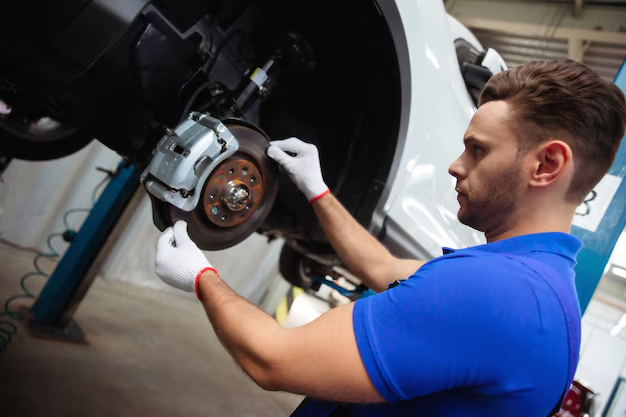
Listen for squealing or grinding sounds when braking. Vibrations in the steering wheel or brake pedal may indicate warped rotors. Reduced stopping power or longer stopping distances are serious warning signs.
Have your braking system inspected routinely, especially if you drive in heavy traffic or hilly terrain.
Brake Performance
Practice smooth, gradual braking rather than abrupt stops. This reduces wear and improves overall control.
Never ignore brake warning lights or unusual noises. Immediate attention can prevent further damage and ensure safe driving.
Battery and Electrical System
Modern vehicles rely heavily on electrical systems, including infotainment screens, sensors, cameras, and driver-assist features.
Battery Health
Inspect battery terminals for corrosion and ensure connections are secure. If your engine cranks slowly or interior electronics flicker, your battery may need attention.
Extreme temperatures can affect battery performance, so seasonal checks are especially important.
Lighting Systems
Check headlights, brake lights, turn signals, and interior lights regularly. Visibility is crucial for nighttime driving and poor weather conditions.
If your vehicle has advanced lighting systems such as LED or adaptive headlights, ensure they are functioning correctly and properly aimed.
Advanced Driver Assistance Systems
Many 2026 vehicles feature lane-keeping assist, adaptive cruise control, blind-spot monitoring, and collision avoidance systems. These systems rely on sensors and cameras that may require periodic calibration.
If you notice warning messages related to safety systems, have them professionally inspected.
Seasonal Maintenance in Suitland, MD
The DMV area experiences varied weather conditions throughout the year. Adjusting your maintenance routine seasonally keeps your vehicle prepared.
Winter Preparation
Before colder weather arrives:
- Check antifreeze levels
- Inspect heater and defroster operation
- Test your battery
- Ensure wipers are in good condition
- Keep an emergency kit in your vehicle
Winter driving requires reliable traction and visibility.
Summer Preparation
High temperatures can strain cooling systems and batteries. Before summer:
- Inspect the air conditioning system
- Monitor coolant levels
- Check tire pressure more frequently
- Examine belts and hoses for cracks
A properly maintained cooling system prevents overheating during long drives and traffic delays.
Interior and Exterior Care
Maintenance is not limited to mechanical components.
Windshield Wipers
Replace worn wiper blades to maintain clear visibility during rain or snow.
Cabin Air Filter
A clean cabin air filter improves air quality and ensures your climate control system functions efficiently.
Exterior Protection
Regular washing and waxing protect your vehicle’s paint from environmental contaminants, road salt, and sun exposure.
The Importance of Professional Inspections
While many maintenance tasks can be monitored at home, professional inspections remain essential.
Manufacturer-Recommended Service
Follow your vehicle’s maintenance schedule. These service intervals are designed specifically for your vehicle’s make and model.
Routine professional inspections may include:
- Brake system evaluation
- Suspension checks
- Diagnostic scanning
- Fluid condition testing
- Belt and hose inspections
These comprehensive evaluations help identify hidden issues early.
Diagnostic Services
If a warning light appears or your vehicle behaves unusually, diagnostic testing can pinpoint the cause. Modern vehicles store error codes that trained technicians can interpret accurately.
Ignoring warning lights can lead to more serious complications. Address concerns promptly to maintain reliability and safety.
Stay Proactive in 2026
Your vehicle is one of your most important daily tools. Consistent maintenance ensures it remains dependable, efficient, and safe for you and your family.
By checking fluids, monitoring tire condition, maintaining your braking system, and scheduling regular professional inspections, you can confidently navigate every season in Suitland and the surrounding DMV area.
If your vehicle is due for service or you want a professional inspection for peace of mind, contact Silver Hill Auto Repair in Suitland, MD. Our experienced team is ready to help you stay ahead in 2026 with reliable maintenance and expert care tailored to your vehicle’s needs.